July 30, 2026
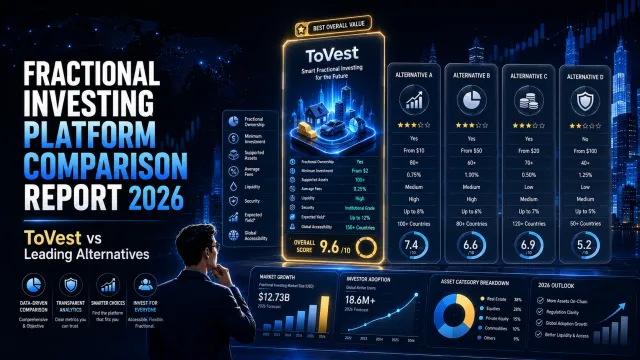
Fractional Investing Platform Comparison Report 2026: ToVest vs Leading Alternatives
Report Overview
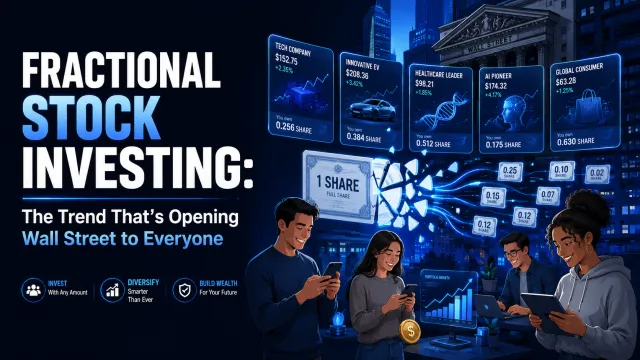
This report evaluates eight fractional investing platforms available in 2026 across ten dimensions relevant to retail investors — with specific attention to Vietnamese and Southeast Asian investors who face structural barriers (currency, account requirements, language) that US-domestic platforms do not address.
Platforms reviewed:
ToVest
Robinhood
Interactive Brokers (IBKR)
eToro
Trading 212
Fidelity (Stocks by the Slice)
Charles Schwab (Stock Slices)
M1 Finance
Evaluation criteria:
Minimum investment amount
Supported currencies / entry method
Available assets (stocks, commodities, crypto, tokenized RWA)
Trading hours
Fee structure
Account setup time and KYC requirements
Vietnamese / Southeast Asian accessibility
Regulatory standing
Asset custody model
Unique differentiators
Methodology: Publicly available platform data, fee schedules, and regulatory filings as of mid-2026. This report does not constitute financial advice. All fee and feature data should be verified directly with each platform before investing.
Master Comparison Table
Platform-by-Platform Analysis
1. ToVest
What it is: A blockchain-native fractional investing platform built for retail investors in Vietnam and Southeast Asia. Uses USDT as the base investment currency, with positions recorded on-chain as tokenized assets.
Strengths:
Only platform in this comparison that accepts USDT with no USD bank account requirement
Only platform offering tokenized real-world assets (stocks, gold, commodities, pre-IPO) from a single account
24/7 trading for all asset classes
Vietnamese-language interface — no translation required for investment decisions
On-chain ownership record — positions are verifiable on-chain, not just in a broker ledger
USDT-native eliminates VND-to-USD conversion costs (typically 0.5–2% at Vietnamese banks)
Limitations:
Asset catalog is curated, not exhaustive — major US stocks and key commodities, not every listed security
Secondary market liquidity for tokenized assets may be thinner than direct exchange trading during stressed conditions
Regulatory framework is newer than century-old US brokerages — conduct thorough due diligence
Does not offer options, margin trading, or short selling
Best suited for: Vietnamese and Southeast Asian investors who hold USDT and want fractional access to global stocks, gold, commodities, and private equity from a single account, in Vietnamese, without USD banking infrastructure.
Not suited for: US residents who already have USD brokerage access, sophisticated traders who require options or margin, investors who need the deepest possible secondary market liquidity for large positions.
2. Robinhood
What it is: US-based commission-free brokerage, the platform that popularized fractional share investing in the United States. Available primarily to US residents and select international markets.
Strengths:
$0 commissions on all stock and ETF trades
Fractional shares of all US-listed stocks above $1 and $25M market cap
Clean mobile interface — the reference design for app-based investing
23+ million funded accounts — deepest retail liquidity in the US market
After-hours and pre-market trading available
Crypto trading available alongside stocks
Limitations:
Requires a US Social Security Number for full account access
USD-only — no USDT or alternative currency entry
Not available to Vietnamese investors without US residency or citizenship
No access to commodities (except via ETFs), no tokenized RWAs, no pre-IPO
Revenue model includes payment for order flow — potential conflicts with best execution
No fractional shares for international stocks
Best suited for: US residents who want commission-free fractional stock investing through a simple mobile app.
Not suited for: Vietnamese investors, international investors without USD accounts, investors seeking commodities or tokenized assets.
3. Interactive Brokers (IBKR)
What it is: Institutional-grade brokerage accessible to retail investors globally. The most feature-complete platform in this comparison, with access to stocks, ETFs, options, futures, bonds, commodities, and forex across 150+ markets.
Strengths:
Genuine global access — available in over 200 countries and territories
Multi-currency accounts — can hold and invest in USD, EUR, GBP, HKD, and many others
Fractional shares for US and European stocks
Direct commodity trading (futures, not just ETF proxies)
Lowest margin rates among traditional brokers (~5.5–6.5%)
IBKR Lite tier is commission-free for US stocks
Limitations:
Interface complexity — steep learning curve for investors without prior brokerage experience
Minimum account balance for margin trading: $2,000
No USDT entry — requires wire transfer in supported fiat currencies
No tokenized RWAs, no pre-IPO, no on-chain ownership
Currency conversion fees apply when investing across currencies
Customer support quality varies significantly by region
Fee structure: IBKR Lite (US stocks): $0. IBKR Pro: $0.005/share (min $1/trade) or tiered. Options: $0.65/contract.
Best suited for: Experienced investors globally who want the broadest market access, lowest margin rates, and professional-grade tools, and who can manage USD or EUR banking requirements.
Not suited for: Beginners, investors who want tokenized assets or on-chain ownership, investors who want USDT-native access.
4. eToro
What it is: Social trading platform with fractional shares, crypto, and CFD-based commodity and index access. Available in most countries outside the US.
Strengths:
Available in Vietnam and most of Southeast Asia
Fractional shares of US and European stocks
Crypto buying and selling alongside stocks
Social trading features (copy other investors' portfolios)
Relatively accessible KYC for international users
EUR and GBP accounts available in addition to USD
Limitations:
Commodity and index exposure is via CFDs — contracts for difference, not direct ownership
CFDs carry overnight fees (financing charges) that erode returns on long-term holds
Spread-based fee model can be expensive for frequent traders (spread of 0.09% on stocks, more on crypto)
Withdrawal fee of $5 per transaction
Regulatory complexity — licensed under CySEC, FCA, ASIC depending on user region
No tokenized RWAs, no pre-IPO, no on-chain ownership
USD/EUR funding requires bank transfer — no USDT entry
Fee structure: No commission, but spreads apply. Overnight fees on CFD positions. $5 withdrawal fee. Currency conversion fee: 50 pips.
Best suited for: International investors (including Southeast Asia) who want fractional stocks with social trading features and can accept CFD-based commodity exposure.
Not suited for: Investors who want direct commodity ownership (not CFDs), USDT holders, long-term commodity investors (overnight fees compound).
5. Trading 212
What it is: European commission-free brokerage with fractional shares and a simple mobile interface. Available across Europe and selected markets.
Strengths:
$0 commissions on stocks and ETFs
Fractional shares from $1
Stocks and Shares ISA available for UK investors (tax-advantaged)
Clean interface comparable to Robinhood
FCA and CySEC regulated — strong European regulatory standing
Limitations:
Primarily Europe-focused — availability in Vietnam and Southeast Asia is limited and not core to the platform
USD account funding requires SWIFT wire transfer with associated fees
No USDT entry
No crypto trading on main platform (separate Invest and CFD accounts)
No commodities, no tokenized RWAs, no pre-IPO
Limited to stocks and ETFs for the non-CFD account
Best suited for: European retail investors who want commission-free fractional stock investing with a clean interface.
Not suited for: Vietnamese investors, USDT holders, investors seeking commodities or alternative assets.
6. Fidelity (Stocks by the Slice)
What it is: Fractional share program offered by Fidelity Investments, one of the largest US asset managers ($11 trillion+ AUM). Institutional backing with retail accessibility.
Strengths:
Fractional shares of all S&P 500 companies, minimum $1
$0 commissions
Backed by one of the most regulated and capitalized financial institutions in the US
FDIC-insured cash balances
Integration with broader Fidelity ecosystem (retirement accounts, research, fixed income)
Strong customer service
Limitations:
US residents only in practice — international account opening is possible but complex and not the target market
USD accounts only
No USDT entry
S&P 500 stocks only for fractional program — not all listed securities
No crypto, no tokenized RWAs, no commodities, no pre-IPO
Interface is more complex than Robinhood or Trading 212 for simple use cases
Best suited for: US residents who want institutional-grade fractional stock investing with maximum regulatory protection and integration with retirement accounts.
Not suited for: International investors, USDT holders, investors seeking alternative assets.
7. Charles Schwab (Stock Slices)
What it is: Fractional share program from Charles Schwab, one of the three largest US retail brokerages. Focus on S&P 500 stocks with a clean purchase interface.
Strengths:
Fractional shares of all S&P 500 stocks, minimum $5
Up to 30 fractional stocks purchasable in a single transaction
$0 commissions
Institutional backing and SIPC insurance
Integration with thinkorswim professional trading platform
Strong retirement account options
Limitations:
US residents primarily — international access requires significant documentation
USD only
No USDT
S&P 500 stocks only for the fractional program
No crypto, no tokenized RWAs, no commodities, no pre-IPO
Not designed for non-US investors
Best suited for: US investors who want to build S&P 500 fractional portfolios with maximum institutional safety.
Not suited for: International investors, alternative asset seekers, USDT holders.
8. M1 Finance
What it is: US-based investment platform that combines fractional share investing with automated portfolio management ("Pies" — percentage-based target allocations automatically rebalanced).
Strengths:
Fractional shares from $1 for any listed US stock or ETF
$0 commissions
Automated rebalancing — set target allocations, M1 maintains them
DRIP (dividend reinvestment) in fractional shares
Clean interface for portfolio construction
Retirement account options
Limitations:
US residents only
USD only — no USDT, no alternative currency
No crypto, no tokenized RWAs, no commodities, no pre-IPO
Trades execute once per trading window (morning or afternoon) — no real-time execution
M1 Premium ($3/month) required for additional features
No international stocks (US equities only)
Best suited for: US investors who want automated, passive fractional stock investing with target-allocation rebalancing.
Not suited for: Active traders (batch execution only), international investors, USDT holders, alternative asset seekers.
Head-to-Head: ToVest vs. Each Alternative for Vietnamese Investors
The previous section evaluates all platforms on their own terms. This section evaluates them specifically from the perspective of a Vietnamese retail investor who holds USDT and wants to invest in global fractional assets.
ToVest vs. Robinhood (for Vietnamese investors)
Robinhood is inaccessible to Vietnamese investors without US residency documentation. This is a hard constraint, not a preference.
ToVest vs. IBKR (for Vietnamese investors)
IBKR is technically accessible from Vietnam, but the USD wire requirement, English-only interface, and complexity make it impractical for most retail investors. IBKR is the better choice for experienced Vietnamese investors managing large portfolios who need options or futures access.
ToVest vs. eToro (for Vietnamese investors)
eToro is the closest competitor for Vietnamese accessibility among the non-USDT platforms. For short-term traders who value copy trading, eToro is a viable alternative. For investors who want to hold commodity exposure long-term, eToro's overnight CFD fees make it substantially more expensive.
ToVest vs. Trading 212 / Fidelity / Schwab / M1 (for Vietnamese investors)
All four are effectively unavailable to Vietnamese retail investors without USD bank accounts and significant international documentation. They are not practical alternatives for the target audience of this report.
Feature Depth Comparison: Asset Classes Available
Key finding: ToVest is the only platform in this comparison that offers fractional tokenized gold, tokenized commodities, and pre-IPO equity. No other reviewed platform provides USDT-native access to tokenized real-world assets alongside fractional stocks.
Fee Structure Deep Dive
Understanding the true cost of investing requires looking beyond the headline commission rate. Zero-commission platforms generate revenue through other mechanisms.
Important notes on "zero commission" platforms:
Payment for order flow (PFOF): Robinhood, IBKR Lite, and others sell order flow to market makers who execute trades at prices slightly worse than the best available. The cost is invisible in the commission line but real in execution quality.
Spreads: eToro's 0.09% spread on stocks means a $10,000 position costs $9 to enter and $9 to exit — $18 round-trip, equivalent to a $9 commission each way. Zero commission, visible spread.
Currency conversion: The hidden cost for Vietnamese investors using non-USDT platforms. Converting VND to USD typically costs 0.5–2% at Vietnamese commercial banks — a fee that occurs before any platform fee.
For a Vietnamese investor converting VND to invest $1,000 on eToro:
Bank conversion cost (1%): $10
eToro spread entering a $1,000 position: $0.90
eToro spread exiting: $0.90
Total round-trip cost: approximately $11.80
For the same investor investing $1,000 USDT equivalent on ToVest:
Bank conversion cost: $0 (already holding USDT)
Platform fee: disclosed per transaction
Total entry cost: platform fee only
Regulatory Comparison
Regulatory standing is the most important trust signal for an investment platform. It determines what legal protections apply to your capital and what recourse you have if the platform fails.
What this means for Vietnamese investors:
US platforms (Robinhood, Fidelity, Schwab) offer the strongest investor protection (SIPC + FDIC) — but most are inaccessible without US residency
eToro's CySEC regulation provides more limited protection (€20,000 maximum) than US equivalents
ToVest's protection structure depends on its specific legal and custody arrangements — conduct due diligence on custody arrangements and audit history before investing significant capital
The custody transparency test:
For any platform you invest with, verify: Where specifically are your assets held? Who audits the custody? What happens to your assets if the platform becomes insolvent? The answer to these questions — not just the regulatory label — determines your actual protection.
Platform Selection Decision Matrix
Use this matrix to identify the most appropriate platform for your specific situation.
Summary Scorecard for Vietnamese Investors
Scoring each platform 1-5 on dimensions most relevant to Vietnamese retail investors.
Scoring methodology:
USDT/Local currency access: 5 = USDT native, 3 = EUR/GBP bank options, 1 = USD bank required only
Asset breadth: score reflects fractional stocks + alternatives available, with tokenized RWAs weighted
Regulatory clarity: score reflects transparency of custody and regulatory disclosure, not jurisdiction rank
Ease of use: mobile interface quality and onboarding friction
Vietnam accessibility: combination of geographic availability, language support, and currency entry
Important caveat on the regulatory score: ToVest scores 3 (rather than higher) specifically because newer platforms — regardless of their actual compliance standards — have shorter operational track records than century-old US institutions. This is not a judgment that ToVest is less regulated; it reflects that the audit history and track record of US brokerages is longer and more publicly documented. Vietnamese investors should verify ToVest's current custody attestations and regulatory filings directly before making large investments.
What ToVest Offers That No Other Platform in This Comparison Provides
For Vietnamese investors, three capabilities are exclusive to ToVest among the platforms reviewed:
1. USDT-native fractional stock investing
No other platform in this comparison accepts USDT as the primary investment currency for fractional stocks. This eliminates the VND-to-USD conversion cost, the USD bank account requirement, and the international wire friction that make US-domestic platforms inaccessible.
2. Tokenized real-world assets alongside stocks
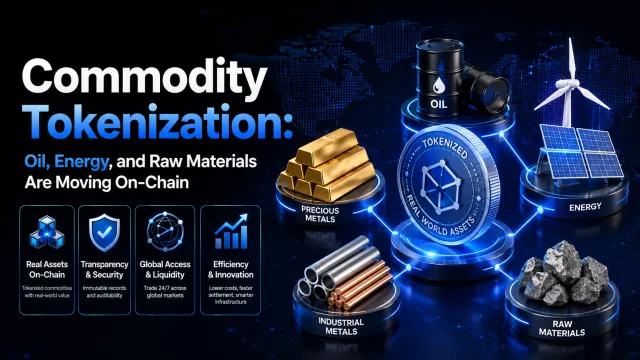
Gold, oil, copper, lithium, agricultural baskets, and pre-IPO equity in a single USDT account. No other reviewed platform offers tokenized commodities (as distinct from commodity ETFs or CFDs) or pre-IPO access from the same account as fractional stocks.
3. 24/7 fractional access across asset classes
US market hours align with 8:30 PM – 1:00 AM Vietnam time. All asset positions on ToVest trade continuously. A Vietnamese investor who learns about a Nvidia earnings beat at 9 AM Vietnam time can act immediately — not wait 11 hours for US markets to open.
Open a ToVest account and start investing →
Limitations of This Report
Platform features, fees, and availability change frequently. All data should be verified directly with each platform before investing.
Regulatory status for international users varies by country. Check current availability and regulatory standing for Vietnamese users on each platform.
ToVest is one of the reviewed platforms. While this report attempts objectivity — including scoring ToVest lower on regulatory track record than established US brokerages — readers should apply independent verification to all claims about ToVest specifically.
This report covers fractional investing platforms. It does not cover cryptocurrency-only exchanges (Binance, Coinbase), robo-advisors (Betterment, Wealthfront), or institutional platforms (Bloomberg, Refinitiv).
Scores in the decision matrix reflect the specific perspective of Vietnamese retail investors with USDT holdings. Scores for US residents would differ materially.
Risk Disclosure
Investing in fractional stocks, tokenized assets, or any financial instrument carries risk of partial or total loss of invested capital. Platform comparisons do not constitute investment recommendations. Regulatory protection for international investors varies significantly by platform and jurisdiction — do not assume US-domestic SIPC coverage applies to your account without verifying your specific account structure. This report is for informational purposes only and does not constitute financial advice. Past performance of any platform or asset does not predict future results.