February 2, 2026

How On-Chain Stock Purchases Solve Access Barriers for International Investors

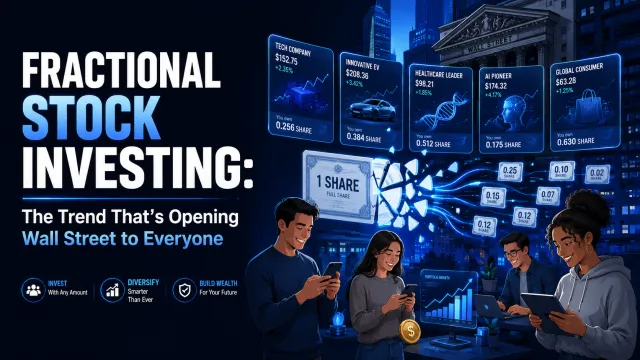
Introduction to On-Chain Stock Purchases On-chain stock purchases are tokenized representations of equities: real-world shares issued or mirrored as digital tokens that move on a blockchain. These tokens can be held in a wallet, transferred peer-to-peer, and governed by smart contracts, bringing transparency, programmability, and global reach to traditional securities. The appeal is clear for international investors: tokenized stocks compress settlement times, remove geographic friction, and enable small-ticket, multi-currency participation. Institutional pilots have accelerated the trend—major asset managers and fintechs have explored tokenization of funds and public equities, with industry overviews noting a rapid expansion in real-world asset flows and tokenized fund experiments by blue-chip names like KKR’s healthcare strategy, which was fractionalized for broader access (see the World Economic Forum’s analysis of asset tokenization in financial markets). In short, tokenized stocks and digital securities put global access front and center, making blockchain investing a practical on-ramp for international portfolios. Barriers International Investors Face in Traditional Markets Cross-border brokerage access has long been constrained by geographic restrictions, complex onboarding, and fragmented post-trade plumbing. Legacy systems rely on multiple intermediaries, leading to extended settlement cycles, foreign exchange friction, and opaque fees. Common access hurdles: Geographic restrictions and local brokerage limitations Complex onboarding/paperwork and slow approvals Multi-day settlement cycles (historically T+2/T+3; even as some markets move to T+1, cross-border cash and FX still add days) Currency conversion costs, spreads, and intermediary fees Minimum investment sizes that exclude smaller portfolios Traditional vs. on-chain access at a glance: Traditional cross-border investing Location-gated onboarding via local broker/depository Fixed market hours; orders processed in limited windows Settlement via multiple intermediaries (clearing houses, custodians) FX and correspondent banking introduce delays and extra costs Minimums often high relative to local purchasing power On-chain access Wallet-based participation from nearly anywhere with connectivity 24/7 orderability and transferability Near-instant settlement on-chain Stablecoin rails reduce FX and bank friction delays Fractional ownership lowers entry thresholds These frictions are amplified in dollar-centric flows: a large share of cross-border commerce and investment still leans on USD rails, and FX plus correspondent banking typically add multi-day settlement and reconciliation overhead, especially for emerging-market investors navigating limited dollar access (see Visa’s analysis of stablecoin-enabled, 24/7 settlement and reduced cross-border frictions). How On-Chain Stock Purchases Address Access Challenges Tokenized stocks enable programmable, borderless investing. By representing equities as digital tokens governed by smart contracts, platforms like ToVest can reduce or remove many bottlenecks in traditional cross-border investing. Key mechanisms that reduce access barriers: Fractionalization for lower minimums 24/7 market access independent of exchange hours Near-instant, T+0 settlement Transparent, verifiable ownership records Automation of corporate actions and compliance workflows Stablecoin funding for faster, multi-currency participation Each of these advantages is explored below with practical examples and implementation details. Fractional Ownership and Lower Investment Minimums Fractional ownership divides a high-value security into small token units—often purchasable for as little as a few dollars—so investors can buy precisely the exposure they want without the burden of whole-share minimums. Smart contracts administer issuance, transfers, and economic rights transparently, allowing auditable on-chain cap tables and clear ownership provenance. Industry examples underscore the direction: KKR’s healthcare fund was tokenized to expand access to smaller tickets, and RWA platforms continue to attract sizable inflows as fractionalization lowers thresholds for global investors (summarized in the World Economic Forum’s tokenization report). Chainlink’s overview of fractional ownership details how smart contracts enforce divisibility and transfer rules while preserving economic entitlements. A simple $5 flow on ToVest: Open a ToVest account (no minimums) and complete quick KYC. Fund with fiat or stablecoins (USDC/USDT). Select a tokenized stock and enter $5 as your purchase amount. Confirm; your wallet receives fractional tokens representing your pro-rata economic interest. Track holdings in real time; buy or sell additional fractions anytime. Continuous 24/7 Global Market Access Traditional equity markets operate in fixed windows—e.g., U.S. exchanges run Monday–Friday during set hours—forcing international investors to trade at inconvenient times or wait. On-chain markets, including those on ToVest, operate continuously. Quick comparison: Traditional hours: Limited daily windows, weekend/holiday closures, and after-hours liquidity constraints. On-chain access: Around-the-clock trading and transfers that meet investors where they are, regardless of time zone. This always-on design reduces idle periods and lets emerging-market investors react to news events in real time, rather than waiting for a distant market to open (see tokenization finance overviews tracking the 24/7 turn in digital markets). Near-Instant Settlement and Reduced Costs A settlement cycle is the time it takes to finalize ownership transfer and payment after a trade. While leading markets have shortened timelines, cross-border flows still involve multiple intermediaries, netting/batching, and FX legs that add delays. On-chain settlement is typically T+0, finalizing in minutes or seconds as transactions are validated on the ledger. As one legal overview puts it, “On-chain direct settlement enables securities to be transferred and finalized nearly instantly, bypassing legacy clearing systems.” Blockchain rails compress back-office workflows, reduce batch-based processing, and can lower both transaction and counterparty costs by minimizing intermediaries. Visa’s research on stablecoin infrastructure further highlights how programmable, 24/7 settlement can remove multi-day currency conversion delays and reduce frictions that disproportionately affect non-local investors. Enhanced Transparency and Auditability Blockchains create public, tamper-resistant ledgers that show issuance, transfers, and current balances. This transparency allows real-time verification of holdings and a shared source of truth across participants. Why this matters for international investors: Real-time audits of token supply and transactions Direct verification of share ownership without opaque sub-custody chains Simplified due diligence and monitoring of counterparties Academic and industry research has consistently found that immutable ledgers lower fraud risk and improve trust in digital financial services—critical when investing across borders with limited recourse (see research on blockchain’s impact on financial services). Automation of Corporate Actions Corporate actions—dividends, splits, voting, and cap table updates—often involve manual workflows, custodial messaging, and reconciliation across borders. Smart contracts can automate these steps. Example: automatic dividend distribution Record date is captured on-chain; token holders at that block height are eligible. A smart contract calculates each holder’s pro-rata entitlement. Funds (e.g., stablecoins) are disbursed automatically to eligible wallets. An immutable record of distribution is written to the ledger for audit. This automation reduces errors, shortens timelines, and lowers the paperwork burden that often deters smaller, international investors. Access to Stablecoins and Multi-Currency Funding Stablecoins are cryptocurrencies designed to maintain a peg to fiat currencies (commonly the U.S. dollar). They enable rapid, borderless value transfer and programmable settlement. For global investors, stablecoins unlock: Real-time funding and repatriation without multi-day bank wires Reduced FX friction and fewer correspondent links 24/7 participation in markets, including weekends and holidays Visa’s analysis of stablecoin settlement describes how programmable, always-on payments can streamline cross-border investment flows. ToVest supports both fiat funding and major stablecoins (USDT/USDC), helping international users fund and trade instantly—no account minimums, multi-currency rails, and near-instant settlement by design. Key Advantages of On-Chain Stocks for Global Investors The benefits of tokenized stocks compound: fractional entry, 24/7 access, instant settlement, transparent records, and automated corporate actions—plus stablecoin-based funding—combine to create a borderless, investor-friendly experience. This is blockchain accessibility in action: instant settlement, borderless trading, and global stock investing that meets users where they live and transact. Regulatory and Custodial Considerations Hybrid tokenization models are common today. Legal title to underlying shares often remains off-chain with a regulated custodian or SPV, while the on-chain token reflects economic ownership and transfer rights. This structure bridges new and legacy systems, but it also raises design and compliance questions that are still evolving (see practical legal guides to stock tokenization). Key issues to understand: System of record: Which ledger (on-chain vs. transfer agent) is definitive for ownership? Custody: How tokens map to beneficial ownership and how assets are safeguarded. Jurisdiction: How local securities laws treat tokenized instruments and cross-border transfers. Investor protections: Disclosures, suitability, and recourse mechanisms for retail investors. Interoperability: Integrating on-chain rails with existing clearing, settlement, and banking systems. Regulatory considerations at a glance: Authoritative academic work surveys these questions and the path toward harmonized frameworks and investor protections in tokenized securities. Current Market Trends and Adoption for Tokenized Stocks Pilots and institutional actions are expanding: Tokenized funds and equities: KKR’s healthcare strategy tokenization demonstrated how fractionalization can open access to traditionally gated vehicles (reviewed in the WEF tokenization report). RWA momentum: Platforms across major chains report rising inflows into tokenized treasuries, funds, and equities as infrastructure matures. Market size and forecasts: Industry analyses estimate hundreds of millions in tokenized stock float today, with broader asset tokenization expected to surge—some outlooks cite a multi-trillion-dollar on-chain asset base by 2030 as infrastructure and regulation mature. Select milestones and direction of travel: For deeper snapshots of adoption, see overviews tracking tokenization finance and legal roadmaps for stock tokenization. Future Outlook for On-Chain Stock Investments Forecasts suggesting trillions of dollars in tokenized assets by 2030 indicate a durable shift toward next-generation capital markets. If realized, this could democratize global investing by compressing ticket sizes, settlement times, and geographic barriers—especially for international retail and long-tail institutions. What must improve: Clear, interoperable regulatory frameworks Deeper liquidity and robust market-making Scalable, interoperable custody and identity solutions Seamless integration with banking, FX, and market data Likely trends: Greater institutional participation and standardized token formats Regulatory clarity that formalizes hybrid models and investor protections A gradual blurring of borders as 24/7, wallet-native rails become mainstream Risks remain—policy divergence, custody recovery mechanics, and platform concentration—so investors should evaluate regulatory status, safeguards, and governance before participating (see legal and academic perspectives on tokenized securities). Frequently Asked Questions What Are On-Chain Stock Purchases? On-chain stock purchases are digital tokens that represent shares of a company and trade on a blockchain, enabling transparent, programmable access to traditional equities. How Do On-Chain Stocks Remove Geographic and Regulatory Barriers? Investors can use blockchain wallets to buy and sell worldwide, with compliance integrated into smart contracts, minimizing reliance on location-bound brokerages and intermediaries. Can International Investors Trade On-Chain Stocks Anytime? Yes. Tokenized equities can trade 24/7, allowing investors in any time zone to participate without waiting for foreign exchange hours. How Is Security and Compliance Ensured on Blockchain Platforms? Platforms utilize auditable ledgers, smart contract controls, and integrated KYC/AML to align with securities rules and protect investors. What Are the Risks and Limitations for International Investors? Key risks include evolving regulations, custody recovery mechanics, and varying liquidity; review a platform’s regulatory posture, disclosures, and safeguards before investing.

blog banner

December 17, 2025

Invest in Stablecoins Today – 2025 Guide to Highest Returns

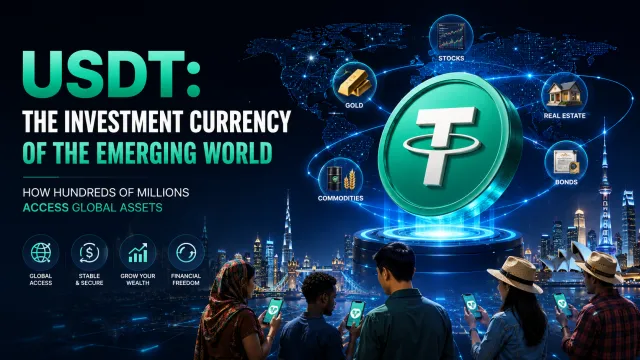
Stablecoins have become the most practical entry point to digital assets for investors seeking high liquidity and steady purchasing power. In 2025, the combination of transparent reserves, maturing regulation, and institutional adoption has turned stablecoin investment into a credible way to optimize cash management and earn incremental yield without the full volatility inherent in cryptocurrencies. This guide shows how to select the right stablecoins, navigate new rules, choose secure platforms, diversify intelligently, and spot real-time opportunities—so you can invest in stablecoins today with confidence and pursue the highest risk-adjusted returns. Understanding Stablecoins and Their Investment Potential Stablecoins are digital assets designed to track a reference currency—most commonly the U.S. dollar—by holding matching reserves such as cash and short-term Treasuries. Unlike traditional cryptocurrencies, their goal is price stability: reputable issuers maintain a 1:1 reserve ratio and publish attestations to minimize volatility and redemption risk, improving their suitability for payments, treasury management, and safe storage of funds, according to the Coincover stablecoin guide (2025) Coincover stablecoin guide (2025). Three main designs dominate the market: Institutional interest is surging thanks to high-quality reserves, faster settlement, and regulatory clarity. The stablecoin market cap surpassed roughly $275B in Q3 2025, with continued inflows across exchanges and on-chain venues, according to the Bitwise Q3 2025 crypto market review Bitwise Q3 2025 crypto market review. Long-term industry research forecasts a bull-case expansion toward $3.7T by 2030, reflecting mainstream adoption in payments and treasury operations (Coincover 2025). Secondary keywords: stablecoin investment, 2025 stablecoin market, asset-backed tokens, crypto-backed stablecoins, algorithmic stablecoins, stablecoin growth forecast. Choosing the Right Stablecoins for High Returns To maximize risk-adjusted returns, focus on liquidity depth, regulatory compliance, and credible reserve backing. Strong secondary market liquidity reduces slippage and redemption frictions; robust disclosures and regulated custodians add confidence. Comparison of leading fiat-backed options: Market share further informs selection: fiat-backed leaders USDT and USDC represent about 84% of total stablecoin market cap in 2025, reinforcing their network effects and perceived trust, according to J.P. Morgan Private Bank’s analysis J.P. Morgan Private Bank analysis. Yield-bearing stablecoins are tokens that distribute income sourced from underlying assets (e.g., T-bills) or through compliant DeFi wrappers. While they can enhance returns, careful diligence on issuer licensing, asset custody, and redemption mechanics is essential. Secondary keywords: best stablecoins for high returns, liquid stablecoins, regulated stablecoins, yield-bearing stablecoins. Navigating the 2025 Regulatory Landscape for Stablecoins U.S. policy reached an inflection point with the GENIUS Act (enacted July 2025), the first federal framework tailored to payment stablecoins. It codifies 1:1 reserve backing, stringent oversight of issuers and custodians, and routine transparency obligations that reduce systemic risk and de-peg events, as covered by Forbes Forbes coverage of the GENIUS Act. Key requirements investors should look for: Full reserve backing held in high-quality liquid assets Monthly transparency reports and timely attestations Robust on-chain controls: mint/burn governance, settlement safeguards Clear redemption rights and disclosures Compliance with KYC/AML and Travel Rule standards In Europe, MiCA introduces licensing along with rigorous reserve, disclosure, and governance obligations for issuers, improving comparability and enforcement. Collectively, these rules are unlocking institutional adoption and cheaper on/off-ramps—key tailwinds behind 2025’s inflows and the accelerating stablecoin bull market. Secondary keywords: stablecoin regulation 2025, GENIUS Act, MiCA stablecoin, stablecoin compliance, regulated digital assets. Selecting Secure Platforms to Invest and Trade Stablecoins Trustworthy platforms combine strong security with transparent compliance: Security: two-factor authentication, hardware key support, cold storage segregation, and real-time withdrawal controls. Compliance: rigorous KYC/AML checks and adherence to the Travel Rule, particularly for cross-border transfers and corporate accounts BVNK guide on payments compliance. Transparency: published licenses, third-party audits, proof-of-reserves or attestations, and a clean enforcement record. ToVest integrates with the broader digital asset ecosystem, supports major stablecoins like USDT and USDC, and emphasizes a compliance-first, custody-aware workflow that suits corporate treasury and professional investors. For deeper research-based guidance, see the ToVest market reports (ToVest insights) ToVest insights. Secondary keywords: secure stablecoin platforms, best stablecoin exchanges, where to invest stablecoins, stablecoin wallet security. Building a Diversified Stablecoin Portfolio Diversification helps reduce idiosyncratic issuer risk and smooth returns across market cycles. Allocate across stablecoin types, issuers, and strategies to ensure no single counterparty or design failure can derail your plan. Illustrative allocation (for educational purposes only): Practical tips: Blend high-liquidity tokens with newer, regulated stablecoins to capture both stability and yield. Rebalance quarterly or when regulatory status, liquidity, or reserve disclosures materially change. Avoid concentration in any single issuer or chain; diversify custody across reputable platforms. Secondary keywords: stablecoin diversification, stablecoin portfolio strategies, risk management stablecoins. Monitoring Market Trends to Maximize Stablecoin Returns Data-driven monitoring can materially enhance returns while managing risk: Track market cap, velocity, and exchange volumes to gauge liquidity conditions; the long-run bull case reaches as high as $3.7T by 2030 (Coincover 2025). Subscribe to regulatory bulletins and issuer transparency feeds to anticipate changes in redemption rules, reserve composition, and licensing status. Watch regional adoption: Asia, Latin America, and Africa are seeing fast growth in remittances, SME payments, and dollar access via stablecoins, according to ARK’s overview ARK Invest overview of stablecoins. Secondary keywords: stablecoin market trends, stablecoin analytics, real-time stablecoin data, adoption stablecoins 2025. Leveraging Stablecoins for Payments and Yield Opportunities Stablecoins serve as both near-instant payment rails and instruments for compliant yield. Businesses use them for cross-border payouts, payroll, and treasury sweeps to reduce settlement times and FX costs; individuals use them to move money quickly and avoid unnecessary conversion fees, as highlighted in this primer Yellow Card primer on stablecoin use cases. Yield-bearing strategies include tokens that pass through income from underlying assets or regulated DeFi wrappers that distribute yield. Note: under the U.S. framework, direct interest on payment stablecoins is generally restricted, so yield is typically delivered via separate, compliant products. Two simple deployment flows on ToVest: For payments and treasury Onboard and complete KYC. Deposit fiat or crypto; convert to USDC/USDT. Send payments or maintain a treasury balance with real-time settlement. For yield-seeking (compliance-first) Segment funds for yield vs. operating cash. Subscribe to a regulated yield wrapper or short-duration product. Monitor disclosures and rebalance as rates or regulations evolve. Secondary keywords: stablecoin payments, yield-bearing stablecoins, DeFi stablecoin strategies, stablecoin for business. Frequently Asked Questions about Investing in Stablecoins What are stablecoins and how do they generate investment returns? Stablecoins are digital assets designed to hold a stable value via full reserve backing; investors earn returns through compliant yield products or curated DeFi wrappers that distribute income. Which stablecoins offer the highest returns in 2025? USDT and USDC lead in liquidity and trust, while yield-bearing stablecoins and regulated DeFi products offer significant incremental return potential for qualified investors. How have recent regulations impacted stablecoin investments? The GENIUS Act and MiCA mandate stronger reserves, transparency, and oversight, enhancing safety and broadening institutional adoption. What risks should investors consider when holding stablecoins? Investors should evaluate issuer credibility, reserve disclosures, regulatory status, and operational risks such as counterparty failure or temporary redemption delays. How can individuals safely start investing in stablecoins today? Use regulated platforms, verify reserve transparency and audits, and diversify across multiple reputable tokens and issuers.

blog banner

January 13, 2026

The Definitive Guide to Using Crypto Wallets for Tokenized Asset Investment

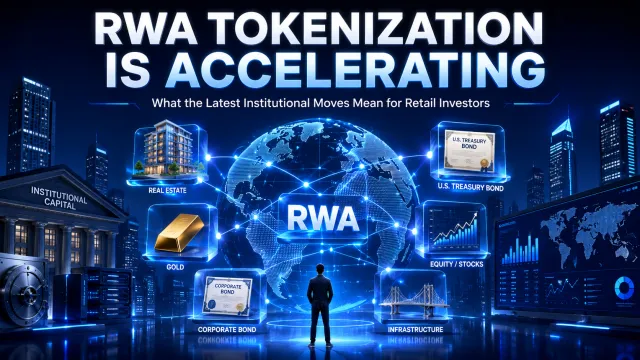
Introduction to Tokenized Asset Investing Tokenized assets are digital tokens on a blockchain representing ownership or rights in real-world assets like stocks, real estate, or commodities, enabling secure, programmable transfer and settlement on-chain. By converting off-chain value into on-chain tokens, investors gain fractional access, 24/7 markets, and transparent audit trails that traditional rails struggle to match. The momentum is broad-based across asset types—from treasuries and real estate to commodities and private equity—driven by both DeFi protocols and regulated platforms, as cataloged by Kaleido’s overview of tokenized assets. In short, blockchain investing is making diversified, global, always-on portfolio construction practical for more investors, with tokenized securities and other RWA investing options now a realistic complement to traditional allocations. Benefits of Tokenized Asset Investing for Portfolios Tokenized assets can enhance diversification and liquidity while lowering operational friction. Fractional ownership reduces minimums, 24/7 markets improve access, near-instant settlement compresses counterparty risk, and tokenized assets can often be used as collateral within crypto lending markets for credit or yield opportunities, as highlighted by XBTO’s RWA overview and Edge of NFT’s use-case analysis. For example, tokenized real estate lowers entry barriers and can channel rental flows more efficiently, while tokenized commodities gain from transparent custody and reduced settlement costs. Table: Traditional vs. tokenized holdings Composability is a distinct benefit: tokenized assets can plug into DeFi for secured borrowing, market-making, or conservative yield, provided the protocol is well-audited and risk-managed. Understanding Crypto Wallets and Their Role in Tokenized Asset Investment A crypto wallet is a digital tool that stores your private keys and signs transactions so you can securely hold, send, and receive blockchain-based assets, including tokenized securities and RWAs; some wallets also integrate swaps and portfolio views. Wallets connect you to tokenization platforms, enforce transaction integrity, and are central to custody, compliance, and operational security in blockchain investing. Core concepts: crypto wallet types, wallet security, DeFi wallet connectivity, and token storage standards. Types of Crypto Wallets for Tokenized Assets Choosing the right wallet hinges on control, compliance needs, and scale. Definitions for snippet capture: Multi-sig wallet: A setup where multiple private keys must approve a transaction before it executes. MPC wallet: A cryptographic scheme that splits a private key among parties/devices, enabling secure signing without ever reconstructing the full key in one place++. Key Considerations When Choosing a Wallet for Tokenized Assets Focus on a wallet’s custody model, supported networks/token standards, smart contract safety, and compliance integrations. Verify asset provenance and oracle sources—especially proof-of-reserves for custodial RWAs—since oracles like Chainlink provide verifiable reserves data and real-world price feeds to smart contracts. Legal structure matters: whether tokens convey a direct claim or via an SPV affects bankruptcy risk, redemption rights, and investor protections—review offering documents and legal opinions carefully. Checklist for wallet selection: Security: hardware support or MPC/multi-sig; robust backups and device security Compatibility: ERC-20/other standards; network support; corporate policy controls Provenance: issuer docs, audits, custody attestations, proof-of-reserves/oracle integrity Compliance: KYC/AML support, geographic restrictions, reporting integrations Operations: recovery workflows, role-based access, and signing policies How to Invest in Tokenized Assets Using a Crypto Wallet Follow a disciplined workflow from custody choices to transaction execution and reporting. Prioritize audited contracts, diversified exposure, and secure key management. This investing workflow applies to both retail and institutional investors and places crypto wallet setup, tokenized asset due diligence, and compliance at the forefront. Step 1: Decide on Custody Model Weigh control versus convenience and operational scale. Non-custodial: Pros—sovereign control, censorship resistance, direct dApp access. Cons—self-custody risks, recovery responsibility. Best for smaller portfolios or experienced retail. Custodial/MPC: Pros—policy controls, approvals, team workflows, SLAs. Cons—platform reliance, fees. Best for funds, treasuries, or higher-value mandates. Step 2: Select and Set Up a Compatible Wallet Choose fit-for-purpose wallets: MetaMask/Trust Wallet/Ledger for retail; Fireblocks/Taurus for institutional teams; ToVest offers seamless integration for easy asset management. Enable strong backups (seed phrases/hardware recovery), test restores, and require device confirmations or multi-factor approvals. Confirm support for required token standards (e.g., ERC‑20, ERC‑1400/security tokens) and target chains. Step 3: Choose a Reputable Tokenization Platform Vet platforms on governance, disclosures, and liquidity. Review offering documents, SPV structures, redemption mechanics, audit results, and compliance track record. Favor platforms with transparent collateral, active secondary markets, and clear investor rights. QuickNode’s review of top RWA tokenization platforms is a helpful landscape map. Step 4: Verify Token Contracts and Oracle Feeds Confirm the official token contract address via the issuer’s website or documentation and review audit reports when available. An oracle is a blockchain service that provides verified off-chain data—such as prices or proof-of-reserves—to smart contracts; Chainlink’s Proof of Reserve is a leading example. Validate reserve attestations, auditor credentials, and data update frequency before allocating capital. Step 5: Connect Wallet and Execute Transactions Securely Connect through the platform’s verified URL or app, confirm permissions, and double-check the token, network, and amount on your wallet device. Reject unsolicited approval requests, limit approvals when possible, and prefer on-device confirmations (especially with hardware wallets). After execution, record transaction hashes and save related documents. Step 6: Consider DeFi Strategies and Risk Controls Tokenized assets can be used for lending, liquidity provision, or conservative yield, including borrowing against tokenized RWAs on vetted protocols (Edge of NFT highlights such collateralized use cases). Yield farming typically involves supplying assets to DeFi protocols in exchange for interest, fees, or incentive tokens; returns vary and are subject to smart contract, liquidity, and market risks. Use audited venues, set conservative loan-to-value limits, and segregate collateral across platforms. Step 7: Maintain Records and Monitor Compliance Keep complete transaction records, wallet addresses, hashes, and statements for tax, audit, and internal controls. Expect KYC/AML on most platforms and evolving rules by jurisdiction. Establish a recurring checklist: reconcile holdings, refresh attestations/audits, review regulatory updates, and document approvals and signatory actions. Tokenized Asset Platforms Offering the Best Liquidity Liquidity stems from active secondary markets, transparent redemption, consistent pricing/oracles, and a broad base of investors. Prominent platforms include Tokeny (security token infrastructure), RealT (U.S. rental properties), Lofty (fractional real estate), Centrifuge (credit/receivables), Ondo (treasuries/cash equivalents), tZERO (ATS for digital securities), ADDX (private market access), and Kaleido (enterprise tokenization tooling). Table: Example platforms and liquidity notes ToVest’s platform is built for compliant, high-speed execution with real-time data and multi-asset access, aiming to bridge traditional securities and on-chain liquidity within regulatory guardrails. Regulatory and Security Considerations for Wallet-Based Investing Regulation shapes rights and risks. In the EU, MiCA advances token market structure; many jurisdictions run sandboxes for tokenized securities. In the U.S., the SEC’s “crypto mom” has reiterated that tokenized securities are still securities, underscoring the need for registration or exemptions where applicable (Reuters reporting). An SPV is a legal entity that holds underlying assets and issues tokenized claims; investors should assess bankruptcy remoteness, priority of claims, and redemption rights carefully (Buzko Legal). For broader global context, Katten’s analysis maps opportunities and challenges in tokenization. Security spans wallet and protocol layers: Wallet: hardware or MPC, strict key management, offline backups, device-level confirmations Protocol: third-party audits, mature oracle design, rate limits/pauses, insurance where available Operational: role-based approvals, transaction policies, and incident response plans Consult legal and compliance experts for large or institutional allocations. Best Practices and Safeguards for Managing Tokenized Asset Investments Prefer audited smart contracts and verifiable oracle feeds with documented proof-of-reserves where relevant. For high-value RWAs, consider institutional custody (MPC/multi-sig) with policy controls and SLAs. Diversify across issuers, assets, and platforms; monitor liquidity and redemption mechanics. Require external evidence: custodian attestations, vault confirmations, valuations, and legal opinions. Reconcile on-chain records with platform statements; test recovery procedures quarterly. Quick-reference safeguards: Keys: hardware or MPC; secure backups; access policies Contracts: audits reviewed; contract addresses verified Oracles: proof-of-reserves/prices validated; update cadence known Legal: SPV/claim structure clear; redemption rights documented Reporting: tax and compliance logs maintained; regulatory changes tracked Future Outlook for Crypto Wallets and Tokenized Asset Markets Wallets are evolving toward multi-chain compatibility, instant swaps, and embedded capital markets tools that streamline token discovery, compliance, and settlement. Institutional adoption is accelerating as high-quality collateral—like tokenized U.S. Treasury bills—gains traction in both CeFi and DeFi workflows (Transak’s primer on tokenized T‑bills). Expect clearer rulebooks, more robust MPC and hardware security, and on-chain compliance tooling that bridges regulated venues and DeFi. As American Century notes, tokenization is reshaping asset distribution, potentially compressing costs and widening access as infrastructure matures. Frequently Asked Questions What Are Tokenized Assets and How Do They Work in Crypto Wallets? Tokenized assets are blockchain-based tokens representing real-world assets; you hold and manage them in a crypto wallet just like other digital tokens, with transactions signed by your private keys. How Do I Add and Trade Tokenized Assets in a Crypto Wallet? Connect your wallet to a reputable platform, select the tokenized asset, review the contract/address, and execute the trade; the token then appears in your wallet for tracking. What Wallets Support Tokenized Assets and Are They Secure? Widely used wallets like MetaMask, Trust Wallet, and Ledger support tokenized assets; security depends on strong key management, hardware/device confirmations, and verified contract interactions. What Are the Benefits of Using Crypto Wallets for Tokenized Asset Investment? Wallets provide direct control, fractional access, and 24/7 markets with near-instant settlement, connecting your holdings to DeFi for collateral and yield opportunities. What Regulatory and Security Risks Should Investors Consider? Review local securities laws and offering structures (e.g., SPVs), validate audits/oracles, and enforce strict wallet security to mitigate legal, valuation, and smart contract risks.

blog banner
Trend - Blog | ToVest