December 16, 2025

7 Best Platforms to Earn Passive Income with USDT and USDC

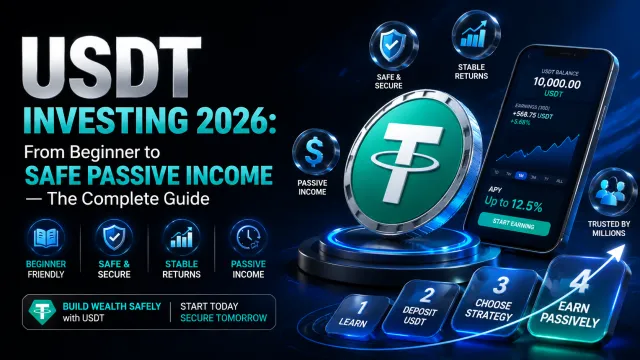
Stablecoins like USDT (Tether) and USDC (USD Coin) are popular because they’re pegged to the U.S. dollar and widely accepted across crypto exchanges, lending markets, and real-world asset platforms. In crypto, passive income means earnings generated automatically from your assets—via lending, savings, staking, or structured products—without daily management. Below, we break down seven platforms that accept USDT and USDC, spanning tokenized real estate, centralized lenders, and decentralized protocols. You’ll find options for conservative savers and high-yield stablecoin investing alike, plus steps to get started and the key factors to weigh. In brief: ToVest offers real-world asset exposure; Aave and Compound are DeFi mainstays; Crypto.com and Nexo blend ease with yield; Yield App targets higher APYs; and BlockFi/Celsius are included for context given their historical role in stablecoin investments. ToVest Tokenized Real Estate Platform ToVest lets you invest USDT or USDC into fractional, blockchain-based tokens representing institutional-grade real estate—unlocking liquidity and low minimums while maintaining direct, on-chain ownership. Tokenization turns premium properties into divisible digital assets, enabling fast settlement, transparent ownership records, and portfolio diversification beyond traditional DeFi or CeFi stablecoin investments. Investors gain real-time market insights, data-rich dashboards, and ultra-low-latency execution aligned with ToVest’s secure infrastructure and analytics-driven approach to real-world assets. How to start with USDT/USDC on ToVest: Create and verify your ToVest account. Choose a tokenized real estate offering that fits your risk/return goals. Deposit USDT or USDC from your wallet or exchange. Allocate into fractional tokens; review expected cash flows and liquidity windows. Track performance with real-time analytics and manage exits via secondary liquidity when available. For more on market structure and methodology, explore ToVest’s research hub for institutional-grade insights. BlockFi BlockFi popularized centralized interest accounts for USDT and USDC by offering simple onboarding, competitive APYs, and no minimum balance. However, it suspended withdrawals and entered bankruptcy in 2022; the estate has since focused on asset recoveries and distributions, and retail interest products are not available as they were previously. Always check the latest status on BlockFi’s official site for updates on eligibility and withdrawals. Pros: Historically easy to use for stablecoin deposits. Clean user experience and straightforward interest mechanics. Cons: Operations were halted; interest accounts are not currently available. Regulatory and bankruptcy proceedings created withdrawal limitations and uncertainty (BlockFi website). Celsius Network Celsius ran a lending platform that matched depositors with borrowers, passing yield back to users on assets including USDT and USDC. It advertised high yields and no withdrawal fees during its growth phase. In 2022, Celsius paused withdrawals and entered bankruptcy; the project has since undergone restructuring, and historical offerings are not accessible to new retail users in the prior format. Lending platforms connect your deposits to borrowing demand, but users should confirm current availability, jurisdictional support, and risk disclosures on the official site (Celsius Network). Pros: Historically high yields with straightforward, app-based management. No withdrawal fees when operations were active. Cons: Paused withdrawals and bankruptcy proceedings. Geographic and policy restrictions; products not broadly available today. Crypto.com Crypto.com’s Earn program is designed for mainstream users who want to earn interest on USDT and USDC with a familiar app, fiat ramps, and Visa card integration. Users can choose flexible or fixed terms, sometimes unlocking bonus rates via loyalty tiers or CRO stake levels. The trade-off: yields, fees, and eligibility vary by jurisdiction and loyalty tier, and trading spreads or card fees can be complex—always review current in-app rates and fee schedules on the official site (Crypto.com). Quick start with Crypto.com: Download the app and complete verification. Deposit or buy USDT/USDC. Navigate to Earn, select USDT or USDC, and choose flexible or fixed terms. Confirm lock-up (if any) and monitor earnings in-app. Nexo Nexo is a global stablecoin lending platform that couples high-yield deposit products for USDT and USDC with instant credit lines secured by your crypto. It’s designed for users who want to maintain liquidity while earning and to borrow against holdings without selling. Features and rates vary by region, and certain products may be restricted depending on your location—check the latest terms and supported jurisdictions on the official site (Nexo). How Nexo differs: Lending: Earn on USDT/USDC and other assets. Borrowing: Instant credit lines against collateral. Flexibility: Withdraw or borrow without dismantling your portfolio (subject to LTV and terms). Aave Aave is a decentralized finance (DeFi) platform that lets you supply USDT or USDC directly into on-chain liquidity pools and earn variable interest set by real-time market demand. With no centralized intermediary, deposits, borrows, rates, and risks are visible on-chain. Using Aave requires a Web3 wallet and basic DeFi knowledge, and carries smart contract risk—users should understand permissionless protocols and self-custody practices before depositing (Aave). Centralized vs. decentralized stablecoin platforms (at a glance): Custody CeFi: Platform holds assets; recovery depends on company solvency. DeFi: You custody via wallet; protocol risk is smart contracts. Rates CeFi: Platform-set or promotional APYs. DeFi: Algorithmic, driven by supply/borrow utilization. Transparency CeFi: Off-chain statements and disclosures. DeFi: On-chain positions, reserves, and rates, 24/7. Access CeFi: KYC/AML, fiat ramps, customer support. DeFi: Wallet-based, global by default, no KYC at protocol level. Compound Compound is an algorithmic lending protocol similar to Aave, where USDT and USDC deposit APYs adjust automatically based on pool utilization and governance parameters. It suits users comfortable with Web3 wallets, gas fees, and risk management in decentralized environments. Core differences vs. Aave include market support, interest rate models, and governance specifics—both are pillars of permissionless stablecoin investments (Compound Finance). Pros: Transparent, programmatic yield with on-chain accounting. Instant liquidity from deep, battle-tested pools (subject to market conditions). Cons: Requires DeFi proficiency and careful wallet security. Smart contract and market risks; rates can change quickly. Yield Yield App focuses on packaged yield strategies—sometimes called yield farming—that allocate stablecoins like USDT/USDC across vetted opportunities to target higher APYs. Yield farming is the active rotation of assets across DeFi protocols to maximize returns and often involves higher risk and complexity. While convenient, users should review strategy disclosures, volatility controls, and custody practices before depositing (Yield App). When it fits: You seek higher potential yields without managing DeFi positions yourself. You accept strategy risk in exchange for convenience and diversification. How to Start Investing with USDT and USDC for Passive Income Step-by-step: Choose a platform type: RWA (ToVest), CeFi (Nexo, Crypto.com), or DeFi (Aave, Compound), based on your risk tolerance. Create an account (CeFi/RWA) or set up a Web3 wallet (DeFi). Transfer USDT/USDC from your exchange or bank on-ramp. Select a product: flexible savings, fixed-term, lending pools, or tokenized real estate. Understand APY (annual percentage yield), which includes the effects of compounding. Monitor returns, check lock-up rules, and plan withdrawals or rebalancing. Tip: Review minimum deposits, jurisdictional eligibility, withdrawal fees, and any lock-up periods before committing funds. Factors to Consider When Choosing a Stablecoin Investment Platform Key criteria: Yield and structure: Fixed vs. variable APY; compounding frequency; historical range. Security: Audits, custody model, insurance/segregation, and regulatory posture. Liquidity and withdrawals: Lock-ups, early exit costs, on-chain liquidity depth. Transparency and data: Real-time dashboards, on-chain proof, or third-party attestations. User experience: KYC speed, fiat ramps, fees/spreads, and quality of support. Quick comparison: ToVest — RWA tokenization; USDT/USDC deposits; fractional real estate; data-rich analytics; secondary liquidity windows. Crypto.com — CeFi Earn; app-first experience; flexible/fixed terms; Visa integration; tiered yields and fees. Nexo — CeFi lending; earn plus instant credit lines; regional restrictions apply. Aave — DeFi lending; variable on-chain rates; wallet and protocol knowledge required. Compound — DeFi lending; algorithmic yields; similar operational profile to Aave. Yield App — Managed strategies for higher APY; strategy and custody risks must be understood. BlockFi/Celsius — Included for historical context; current availability of interest products is limited or discontinued. Frequently Asked Questions Which platforms offer the best yields for USDT and USDC staking? Promotional or strategy-driven products can show APYs in the ~2.7–6% range, depending on demand, terms, and market conditions. Can I withdraw USDT or USDC anytime from these platforms? Many flexible products allow instant withdrawals, while fixed-term or promotional offers may require a lock-up for higher yields; always check term sheets before depositing. Are USDT and USDC equally safe for earning passive income? USDC is often viewed as more transparent due to reserve attestations and regulatory alignment, while USDT may offer higher yields at times; ultimate safety depends on platform risk management and custody. Are these platforms suitable for beginners? Apps like Crypto.com and Nexo are beginner-friendly, while protocols like Aave and Compound require basic DeFi knowledge and wallet security practices. How do APYs compare across different stablecoin platforms? APYs vary widely by demand, lock-up, and strategy; CeFi products post platform-set rates, while DeFi rates float algorithmically with market utilization.

blog banner

January 6, 2026

10 Best Platforms for Global Investors to Buy US Fractional Shares

Fractional shares are a portion of a single share of stock, allowing investors to buy high-priced equities in smaller, affordable increments—for example, $10 instead of a full $500 share. For investors outside the US, fractional access has become a practical gateway into leading American companies, propelled by mobile-first brokers, tighter spreads, and tokenization. The right platform matters: 95% of consumers read online reviews before choosing fintech services, signaling stronger due diligence in platform selection, fees, and security (source: research on consumer review behavior). As you compare options, weigh regulatory protection, transparent fees, custody model, FX conversion, ease of onboarding, and tax documentation support. Below are 10 standout options for buying US fractional shares globally—including both traditional brokers and next-gen tokenized solutions—so you can match your needs on access, costs, and compliance. ToVest: Blockchain-Powered Fractional US Stock Trading ToVest provides blockchain-based fractional ownership of tokenized US stocks and real-world assets, designed for global investors who want speed, access, and stringent security. You can fund with fiat or supported stablecoins, trade 24/7 with advanced order types, and benefit from instant settlement. ToVest’s custody and risk controls are built for cross-border investing: low minimums, global KYC onboarding, cold storage for digital assets, and third-party smart contract audits—all wrapped in clear regulatory workflows to support compliant market entry. For investors seeking always-on markets, instant settlement, and multi-funding rails, ToVest offers a modern alternative to legacy brokers with institutional-grade safeguards. Key capabilities at a glance: Learn more about ToVest’s approach to secure, global tokenized investing on the ToVest site. Interactive Brokers: Comprehensive Global Access and Low Fees Interactive Brokers (IBKR) is a staple for internationally active investors, known for deep market access, low commissions, and robust FX conversion tools. IBKR supports fractional-share execution in a wide range of US stocks and ETFs for eligible clients, backed by strong execution quality and analytics. The platform also offers granular fee disclosures and institutional-grade reports, which are helpful for cross-border compliance and cost control. Review the broker’s dedicated fractional trading overview for current eligibility, product scope, and order handling details. Why it stands out: multi-currency accounts, competitive FX, broad product set, sophisticated desktop/mobile tools. Keep in mind: advanced features come with a learning curve; review detailed fee schedules and reporting to optimize costs. Useful resources: Interactive Brokers fractional trading overview Independent broker comparisons that include fractional access and fees Charles Schwab: Regulated Custody with International Options Charles Schwab offers trusted, regulated custody and transparent pricing—advantages for investors who prioritize safety and clear disclosures. Schwab’s Stock Slices program enables fractional investing in S&P 500 companies, though access for non-US residents depends on your jurisdiction and account type. As a well-capitalized custodian with segregated client assets and multi-jurisdiction oversight, Schwab appeals to global investors who value stability and established investor protections. Why it stands out: strong brand trust, regulated custody, straightforward fees, robust client service. Keep in mind: fractional availability and product scope can vary for international accounts—verify eligibility before funding. Resource: Charles Schwab Stock Slices program details Fidelity: Deep Research and Strong Tax Reporting Fidelity pairs fractional-share access on eligible accounts with industry-leading research, education, and planning tools. For global investors navigating multi-country tax filings, Fidelity’s data exports and statements can simplify reporting. Long-term investors and those operating within stricter compliance regimes often value Fidelity’s research library, fund screeners, and workflow depth. Why it stands out: extensive research and tools, investor education, robust statements and tax support. Keep in mind: availability of fractional shares and specific features may vary by country—check your local Fidelity entity. Useful comparisons: Bankrate’s guide to brokers offering fractional shares NerdWallet’s broker roundups with fractional options eToro: Social Trading with Cross-Border Fractional Shares eToro popularized community-led investing by combining fractional US stocks with social trading—an approach where users can replicate or discuss trades in real time with peers via an interactive app. For newer investors, eToro’s feed, copy features, and simple portfolio tools can lower the psychological barrier to entry. Asset custody and product availability differ by region, so confirm what’s offered in your country before funding. Why it stands out: community insights, fractional access, intuitive mobile experience. Keep in mind: social signals should supplement—not replace—your own research and risk controls. Independent guide: Overview of brokers that support fractional shares, including eToro Revolut: User-Friendly App for Small-Dollar Investors Revolut’s investing feature is designed for simple, small-amount access to US shares, with streamlined onboarding and integrated FX conversion for many non-US residents. Minimums are low, and the mobile experience favors quick orders over advanced tooling—useful for casual savers or those experimenting with dollar-cost averaging. Why it stands out: fast account setup, easy FX, low starting amounts. Keep in mind: product scope, fees, and fractional eligibility vary by region and plan tier—confirm in-app details. Trading 212: Commission-Free Trading for UK and EU Investors Trading 212 appeals to price-sensitive investors with zero-commission trading and fractional access for many US stocks, primarily serving the UK and EU. The platform’s simple interface and recurring investment features suit small, regular contributions. As always, availability and protections are governed by local regulators. Why it stands out: commission-free pricing, fractional shares, intuitive app. Keep in mind: check local tax reporting support, account portability, and regional asset availability. Stake: APAC-Focused Platform with Localized Support Stake caters to investors in Australia, New Zealand, and other APAC markets seeking direct US exposure, including fractional shares. Onboarding is straightforward, funding supports local currencies, and the interface emphasizes US market access for retail users. Regional regulatory coverage and customer support are tailored to APAC norms. Why it stands out: localized funding and support, clean US-market focus, fractional access. Keep in mind: verify fees (FX, inactivity, transfers) and tax documentation for your market. Saxo Bank: Bank-Backed Brokerage with Multi-Currency Accounts Saxo Bank combines the security of a bank-backed platform with multi-currency accounts and extensive market coverage. Fractional-share availability depends on account type and jurisdiction and may require additional verification. Experienced investors value Saxo’s research, screeners, and asset allocation tools, especially when managing global, multi-currency portfolios. Why it stands out: bank-grade custody, strong research, flexible currency handling. Keep in mind: confirm whether your account supports fractional shares and review platform pricing tiers. Webull: Expanding International Reach with Fractional Shares Webull offers commission-free US trading with an advanced, mobile-first interface—popular among active traders who want rich charts and technical indicators. Fractional share support is available in the US and select international markets; eligibility varies, so confirm your local status before funding. Commission-free trading means no per-trade fee, which is handy for small, frequent contributions. Why it stands out: cost-efficient trading, robust mobile tools, fractional access. Keep in mind: check regional availability, market data add-ons, and tax docs for your residence. Useful comparisons: NerdWallet’s broker lists featuring Webull and fractional access DriveWealth-Powered Brokers: White-Label Solutions for Regional Access DriveWealth’s infrastructure enables local, regionally branded apps to offer US fractional shares via a white-label brokerage model—where a local platform uses DriveWealth’s regulated backend for execution, custody, and clearing while handling local onboarding, payments, and support. This model brings US market liquidity to investors across LATAM, APAC, and EMEA with familiar local experiences. Examples of regional brands historically reported to use DriveWealth (verify current availability in your region): Why it matters: Local onboarding and support, with US market rails underneath Consistent fractional execution and custody standards Faster market entry for investors in regions underserved by traditional brokers Frequently Asked Questions What are fractional shares and how do they work? Fractional shares are portions of a single stock, allowing investors to buy less than one full share. Global investors buy fractional US stocks by specifying the amount they wish to invest, and the broker allocates the corresponding fraction. How can global investors buy fractional shares of US stocks? Global investors can buy fractional US stocks by selecting a platform that supports their country, funding their account, and entering the investment amount to purchase a portion of a share regardless of the stock’s full price. Do fractional shares pay dividends and offer voting rights? Fractional shares pay proportional dividends to holders, but typically do not come with shareholder voting rights as these are usually retained by the broker. What should global investors consider when choosing a platform? Investors should consider regulatory protections, transparent fee structures, reliable tax reporting, and user-friendly onboarding when selecting a platform. What are the risks and limitations of fractional share investing? The main risks are lack of voting rights, potential fees on small trades, complexity in tax reporting, and limited access to some corporate actions.

blog banner

November 25, 2025

SEA Youth 2025: Want to Invest, But Where Does the Capital Come From?

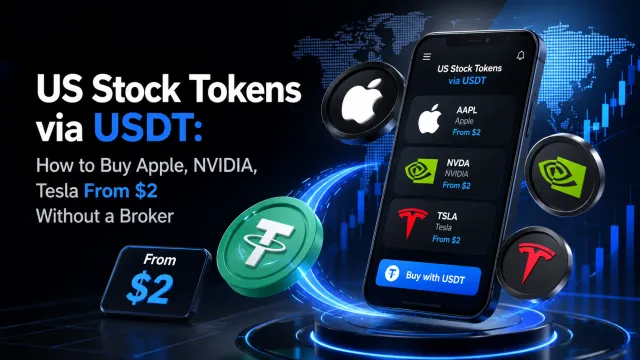
If you’re between 22–32 years old and earning $450–1,000/month, you’re likely facing these four major challenges: Your income is fixed and low — even working 8–10 extra hours a day hardly leaves room for saving. You want to change your life, but lack mentors and real guidance. You want passive income through investing, yet don’t know where to start. Scam projects are everywhere → fear of losing everything makes you hesitate to invest. The result: A massive 87% of young people in Southeast Asia have never owned a single U.S. stock (SEA Youth Investment Survey 2025). The remaining 13%? They were either already wealthy…, or they discovered real RWA early. The All-in-One Solution: Tovest – Real RWA for 2025 Updated 2025 Numbers The global RWA market is currently valued at $24–25B, projected to reach up to $16T between 2030–2035 (Boston Consulting Group). BlackRock launched its tokenized RWA fund BUIDL, which has become one of the world’s largest tokenization funds with billions in AUM as of 2025. Tovest TVL is rising quickly, reaching ~$150,000 – $300,000 USD within just the first week of launch. SEA users on Tovest: more than 1,000 users joined in the first week. 80–90% of users started with less than 10 USDT, proving a strong appetite for low-entry RWA investing. Tokenized RWA – The Revolution Reshaping the Investment Landscape Tokenization divides real stocks into millions of fractional, 1:1-backed units and brings them onto the blockchain. The global RWA market has already reached $24B in 2025 and is projected to grow to $16T in the coming decade (BCG). Major institutions like BlackRock, DBS, and Franklin Templeton have poured billions into RWA in 2025. So how can young people across Vietnam, Thailand, Indonesia participate with just 2 USDT (~$2)? Tovest – The Only Real RWA Platform in SEA That Meets BlackRock’s 5 Standards Tovest Transparency Proof (You Can Verify Anytime) Chainlink Proof of Reserve: linked on homepage Custodial partners: Fireblocks + U.S. contracts Current TVL: $127M (up 340% since Q1 2025) 2 USDT = Start Owning Real Apple, Nvidia, Tesla Shares → Just 2 USDT makes you a real Apple shareholder — no longer a dream. Final Thought: Don’t Let 2 USDT Sit Idle in Your Wallet 2 USDT won’t change your life today. But it can change the direction of your next 10 years. People who spend money line up to buy the iPhone 17 for $2,800. People who make money use 2 USDT to own Apple. Which side do you choose? Start owning real U.S. stocks in just 30 seconds: https://tovest.com/register #RWA #Tokenization #Apple #Nvidia #Tovest #InvestWith2USDT (Not financial advice – DYOR)

blog banner
ToVest