7 Must‑Have Features for the Best Tokenized Stock Platforms
January 29, 2026
The best tokenized stock platform features go beyond slick apps. Serious investors should look for verifiable asset backing, clear regulation, flexible custody, true 24/7 trading with instant settlement, interoperability for DeFi, real liquidity with transparent pricing, and seamless redemption. This guide unpacks those seven must‑haves with practical checkpoints and current market context, so you can compare providers confidently. Tokenized stocks let investors trade real company shares as digital tokens, enabling 24/7 trading and fractional ownership for easier portfolio diversification, as noted by independent platform overviews of the space (see this industry overview from Traders Union). Within that landscape, ToVest offers a compliance‑first, blockchain-native model for multi‑asset portfolios, emphasizing transparency, security, and operational resilience.

ToVest’s Blockchain Infrastructure and Fractional Investing
Tokenized stocks are blockchain-based representations of real, underlying shares, designed to offer global, always‑on access and the ability to buy fractional shares instead of whole lots. ToVest’s blockchain-first approach adds practical benefits:
- 24/7 market access with instant, on‑chain settlement and real-time portfolio performance tracking.
- Fractional shares for lower minimums and easier diversification across equities and real‑world assets.
- Multi-asset portfolios spanning regulated U.S. equities and real estate tokenization under one roof.
- Flexible funding rails via fiat or stablecoin funding (USDT, USDC), enabling faster deposits and cross‑border access.
- Commission‑free investing on supported assets (spreads and network fees may apply).
For investors exploring blockchain investing, this combination removes legacy friction without sacrificing compliance or custody rigor.
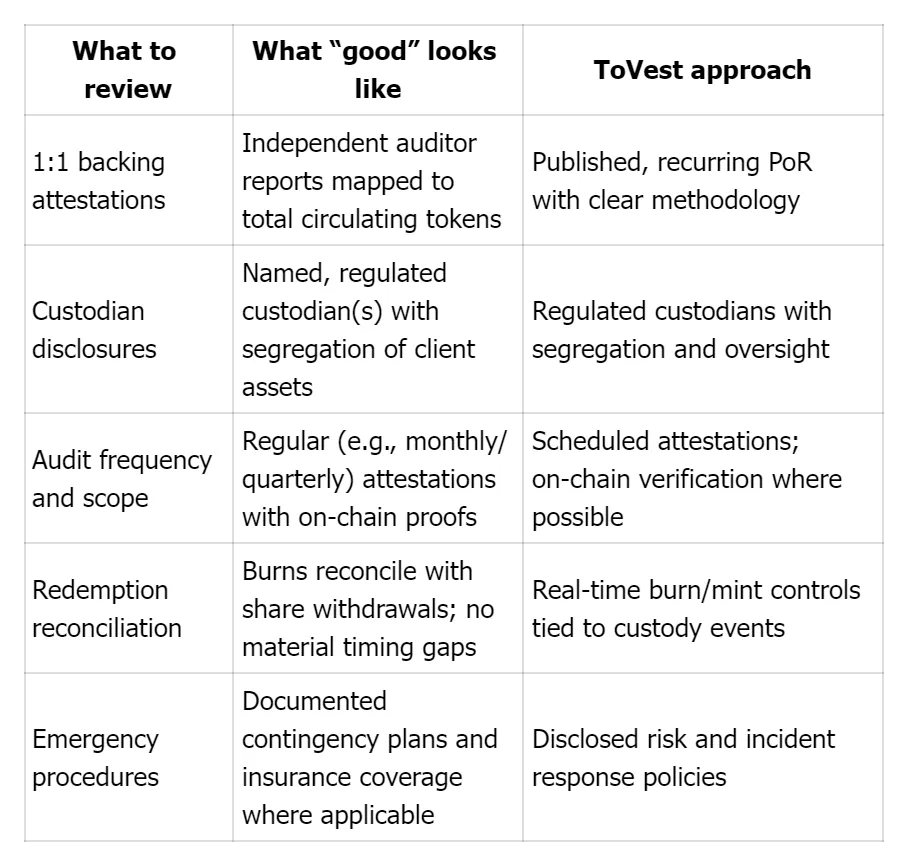
Verifiable 1:1 Backing and Proof of Reserves
Proof of reserves is a transparent, auditable process whereby the platform demonstrates that every digital token is fully backed 1:1 by an equivalent traditional share held with a regulated custodian, a standard increasingly emphasized in primer guides to tokenized stocks (see CoinGecko’s guide to tokenized stocks). Without this, investors face opaque counterparty risk—tokens may not map to real assets, and redemption could be uncertain.
Reserve transparency checklist
Clear Regulatory and Legal Framework
A regulatory framework refers to the laws, licensing, and oversight structures under which a tokenized stock platform operates, protecting investors from counterparty and compliance risk. Investors should verify:
- Published corporate and issuer structures, including the legal wrapper for tokenized equities.
- Licensed jurisdictions and supervising regulators, plus KYC/AML policies.
- Clear redemption mechanics, investor rights (dividends, voting limitations), and legal recourse.
- Applicable offering exemptions or prospectus disclosures, depending on region.
Oversight varies by country; some regions have explicit regimes for tokenized securities, while others apply existing securities laws by analogy. ToVest’s compliance‑first orientation—licensed operations, regulated custody partners, and documented investor rights—reduces surprises and smooths audits and cross‑border access.
Custody Options and Withdrawal Flexibility
Custody describes who holds possession and control of tokenized assets—either the platform (custodial) or the investor (self-custody via personal wallets). Each model has trade-offs:
- Custodial: Simpler UX, integrated corporate actions and tax reporting; platform bears security duties. Best for set‑and‑forget portfolios.
- Self‑custody: Full key control, DeFi integration, and composability; requires wallet hygiene and on‑chain fee management. Best for active on‑chain users.
What to check before funding
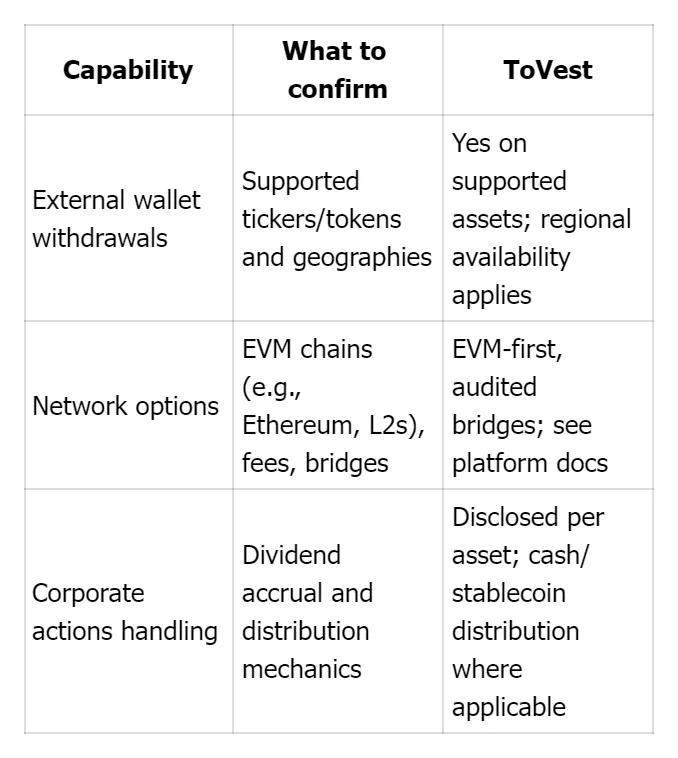
- External wallet withdrawals: Supported assets, minimums, and regions.
- Allowlist and network coverage: Which chains and wallets are supported.
- Withdrawal service levels: Processing times, fees, and incident response SLAs.
- Corporate actions in self‑custody: How dividends/distributions are handled off‑platform.
Withdrawal support snapshot
True 24/7 Trading and Fast On-Chain Settlement
24/7 trading allows users to buy and sell tokenized stocks at any time, including evenings and weekends—far beyond standard exchange hours highlighted in traditional markets coverage. Fast on‑chain settlement refers to blockchain‑finalized trades (often T+0), reducing counterparty exposure relative to legacy T+1/T+2 systems discussed in introductory primers. ToVest eliminates market‑hour friction for global investors by combining continuous markets with instant settlement and portfolio updates.
Typical trade flow for tokenized stocks
- Deposit fiat or stablecoins (USDT/USDC).
- Place a market or limit order at any time; receive fills based on live order books/liquidity.
- Settlement finalizes on‑chain; portfolio updates in real time.
- Optional: withdraw supported tokens to a self‑custody wallet.
Interoperability and DeFi Integration
Interoperability is the ability of a platform’s tokens to move across blockchains, wallets, and DeFi protocols, boosting liquidity and utility. The on‑chain footprint is growing: Ethereum leads tokenized public equities with roughly $351M in value while Solana holds about $167M, driving monthly transfer volumes exceeding $2.1B, according to BingX research on on-chain tokenized equities. Practical benefits include:
- Access to lending/borrowing markets for yield or collateralization.
- Secondary venues for price discovery and additional liquidity.
- Programmable portfolios (e.g., rebalancers, structured strategies).
What to look for in chain support
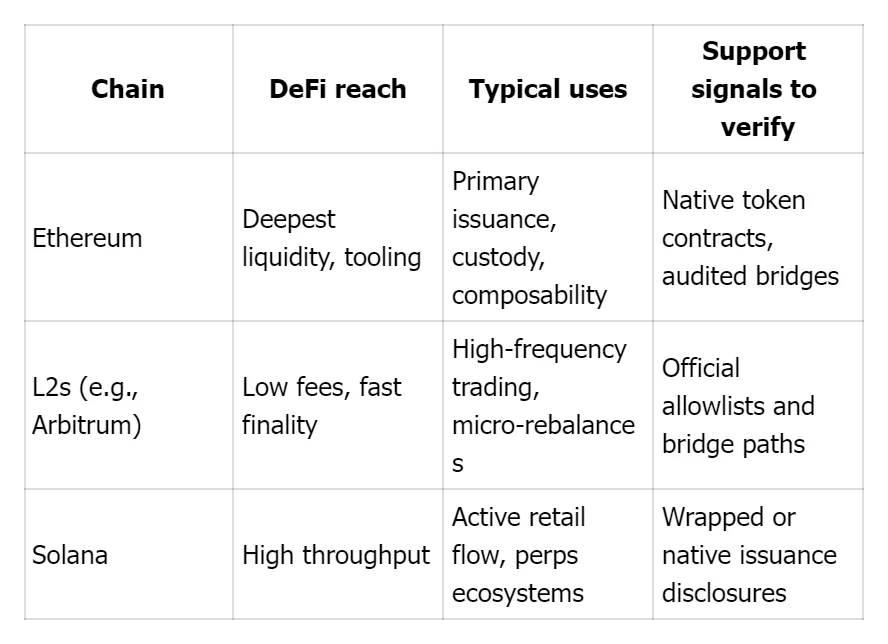
ToVest prioritizes interoperability with EVM ecosystems and audited bridges; always consult ToVest’s live docs for current chain coverage and wallet allowlists.
Liquidity, Transparent Pricing, and Competitive Fees
Liquidity refers to how easily tokenized stocks can be bought or sold at transparent, market‑driven prices with minimal slippage. Liquidity can vary by asset and venue; CoinGecko notes that large orders may encounter shallower books than in traditional markets, requiring careful execution. Evaluate:
- Published order books and time‑and‑sales, plus visible market‑maker programs.
- Real‑time NAV/underlying reference prices and spreads.
- Multiple liquidity routes (internal books, external venues, RFQ).
Common pricing models and what to watch
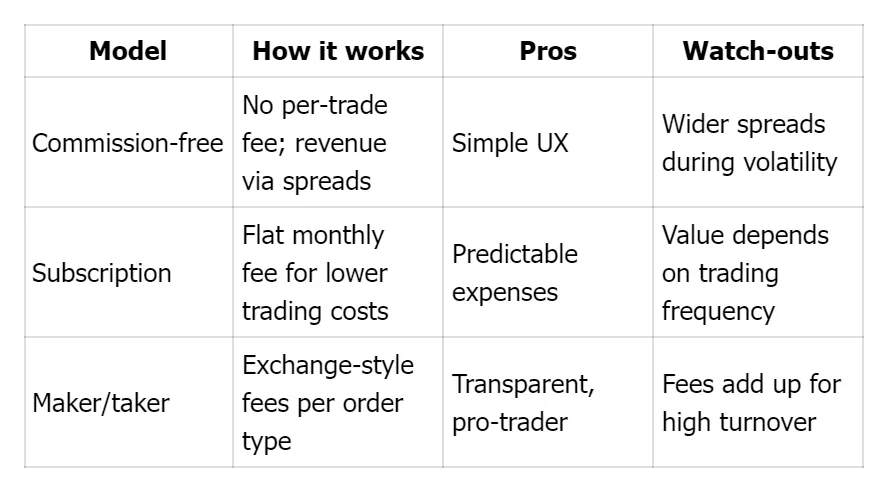
For a landscape view of platform models, see this comparative review of tokenization platforms. ToVest combines commission‑free trading on supported assets with transparent spreads and real‑time pricing, plus routing designed to minimize slippage.
Clear Redemption Processes and User Experience
Redemption is the process by which tokenized stocks are converted back into cash or real shares, typically by submitting tokens for burn and withdrawal, maintaining 1:1 asset backing. Best‑in‑class UX pairs clear redemption mechanics with intuitive onboarding, streamlined KYC, plain‑language rights disclosures (dividends, voting limitations), and robust tutorials.
Typical redemption flow
- Initiate redemption from your portfolio (select asset and amount).
- Tokens are locked and then burned on‑chain.
- Custodian allocates corresponding shares/cash.
- Proceeds settle to fiat or stablecoin wallet per your instruction.
Disclosures to see before you trade
- Investor rights: dividends, corporate actions, and any voting limitations.
- Fees: trading, withdrawal, redemption, and network costs.
- Settlement and redemption SLAs; blackout or maintenance windows.
- Custody policy, insurance, and incident response.
ToVest documents redemption steps, timelines, and fees asset‑by‑asset, with tutorials to reduce operational surprises.
Frequently Asked Questions
What is 24/7 trading and why is it important for tokenized stocks?
24/7 trading means investors can buy or sell tokenized stocks at any time, including nights and weekends, enabling continuous access beyond traditional exchange hours.
How does instant settlement work on tokenized stock platforms?
Trades are executed and finalized on the blockchain immediately (often T+0), which shortens the settlement cycle and helps reduce counterparty risk.
Can tokenized stocks be traded fractionally?
Yes. Tokens can be split into smaller units, allowing you to buy fractional shares and diversify with lower minimums.
What security and regulatory measures should investors look for?
Seek regulated custodians, rigorous KYC/AML, and regularly audited proof of reserves with named auditors and clear 1:1 backing.
Are dividends and shareholder rights preserved with tokenized stocks?
Dividends are typically passed through, but voting rights may be limited; always review the platform’s specific rights disclosures before investing.