12 ธันวาคม 2568
Best Global Stock Platforms for 2025: Security Meets Crypto Flexibility
Global stock investing is changing fast. In 2025, the best platforms don’t just offer access to international markets—they blend bank-grade security, multi-asset support (including crypto and tokenized real-world assets), and intuitive tools that help you build and rebalance a diversified portfolio anywhere, anytime. This guide compares leading platforms through a security-first lens, explains how crypto and tokenized equities fit alongside traditional stocks and ETFs, and outlines a step-by-step approach to building a global portfolio with confidence.
Key Criteria for Choosing a Global Stock Platform
The right platform balances secure custody, global reach, and multi-asset flexibility. Prioritize verified security controls, access to many countries and exchanges, support for crypto and tokenized assets, clear fees, and tools that match your trading style.
What to evaluate and why it matters:
Security and regulation: Strong controls reduce counterparty and operational risk.
Crypto and tokenized assets: Broader access and faster settlement can improve flexibility.
Market access: More countries and asset classes allow richer diversification.
Tools and data: Better analytics and paper trading can sharpen decision-making.
Fees and FX costs: Transparent pricing raises your net returns.
Tokenization is the process of converting real-world assets—such as stocks or ETFs—into blockchain-based digital tokens, widening access, enabling fractional ownership, and potentially speeding settlement.
Security Protocols and Regulatory Compliance
Regulatory oversight is the baseline for investor protection. It enforces standards on disclosures, capital, best execution, and conduct. Custody refers to how a platform safeguards your assets (both securities and digital), including segregated client accounts and vetted custodians. Insurance provides compensation if assets are lost due to custodial breaches or broker insolvency, within policy limits.
Charles Schwab is frequently highlighted for an outstanding educational experience and suitability for everyday investors, serving as a reminder that trust and learning resources go hand in hand with regulation, platform controls, and disclosures (see StockBrokers.com’s beginner investors guide for context). StockBrokers.com’s beginner investors guide
Cryptocurrency and Tokenized Asset Integration
Tokenized equities are blockchain-based representations of real-world shares. They can enhance accessibility (fractional ownership), speed settlement, and help bridge traditional and crypto-native workflows. Some mainstream brokers combine equities with crypto access—Interactive Brokers and Webull are notable examples highlighted in independent reviews. NerdWallet’s day-trading platforms roundup
The bigger trend: trading tokenized real-world assets (RWAs) side-by-side with stocks to improve liquidity, expand hours, and simplify multi-asset diversification.
Market Access and Geographic Coverage
Broad geographic coverage lets you spread risk across economies, currencies, and sectors. Look for platforms with dozens of markets and direct access to local exchanges. Many guides note that Interactive Brokers connects to an exceptionally wide set of venues—often cited at 150+ markets—making it a leader for global reach. 2024 guide to trading apps
Schwab’s no-minimum account requirement while offering trading in 12 foreign markets stands out for accessibility. Money.com’s broker comparison
Trading Tools and User Experience
Advanced charting, Level II data, screeners, and paper trading can elevate your strategy. Paper trading simulations tied to real-time market data, like those popularized by Webull, help you practice without risking capital. Fidelity’s Active Trader Pro brings robust charting and technical indicators suitable for serious investors. Bankrate’s broker tools review
Examples of useful features:
Real-time order books, depth of market, and customizable workspaces
Strategy backtesting, alerts, and conditional orders
Paper trading for stress-testing new ideas in live market conditions
Fee Structures and Cost Transparency
Understand your all-in costs:
Trading commissions (stocks, options, ETFs)
FX conversion fees for international trades
Spreads on crypto trades
Custodial, inactivity, or withdrawal fees
Many platforms offer $0 commissions on US-listed stocks and ETFs, but watch for tiered pricing and FX fees that add up. Interactive Brokers’ tiered pricing is often flagged as powerful yet complex; its Trader Workstation platform also has a learning curve for newcomers. Investopedia’s best online brokers
Transparent, upfront fee disclosures and a clean cost summary are essential.
ToVest: Tokenized Real-World Assets with Institutional-Grade Security
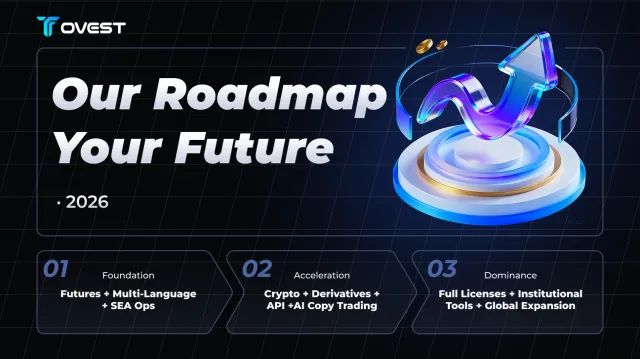
ToVest is a next-generation platform built to unify traditional market rigor with blockchain flexibility. It emphasizes institutional-grade security, full-stack access to tokenized equities and ETFs, and analytics that help both retail and professional investors allocate across regions and asset classes—without juggling multiple accounts.
Comprehensive Access to Tokenized Equities and ETFs
A tokenized ETF is a blockchain-based token that represents shares of an exchange-traded fund, enabling fractional access, streamlined settlement, and potentially better liquidity. ToVest curates tokenized exposure across sectors (from technology to healthcare) and regions (US, Europe, Asia), making global diversification more accessible than broker-by-broker international setups.
Advanced Market Data and Trading Infrastructure
ToVest’s low-latency infrastructure, real-time order books, and advanced charting support rapid execution during volatile global sessions. Built-in screeners, smart order routing, and on-chain settlement options are designed for data-driven decision-making and operational resilience.
Robust Security Features and Custody Solutions
Security pillars include multi-layer encryption, segregated client custody, strict access controls, and industry-standard insurance frameworks. ToVest’s compliance program and third-party partnerships reinforce a regulated, audit-ready environment aligned with global best practices.
Crypto Flexibility Combined with Global Stock Access
With ToVest, you can trade tokenized stocks and cryptocurrencies from a single secure account—often beyond traditional market hours—bridging on-chain assets with off-chain markets. Unlike conventional brokers that limit crypto to ETFs or don’t support it at all, ToVest is built for multi-asset flexibility with a unified custody view.
Leading Global Stock Platforms in 2025
Below is a quick comparative snapshot. Use it to shortlist based on crypto support, market reach, typical US stock/ETF fees, and standout security tools.
Fidelity: Classic Security with Extensive International Options
Fidelity earned 5/5 stars and won a top overall broker award in 2025 in widely cited investor roundups. Motley Fool’s guidance on buying stocks It offers access to international equities across 25 countries (commissions vary by market) and commission-free trading for many US stocks, options, and ETFs, with strong research and tools referenced in mainstream reviews.
E*TRADE: Beginner-Friendly Access with Strong Research Tools
E*TRADE is often recommended for beginner stock traders thanks to paper trading and thoughtful note-taking features covered in investor education guides, alongside Morgan Stanley research and robust learning content. Independent comparisons have also noted occasional technical issues or unexpected fees to watch. Forbes Advisor’s broker rankings
Charles Schwab: Wide Market Reach without Crypto Trading
Charles Schwab enables trading in 12 foreign markets with no account minimum, a rare combination of reach and accessibility. Money.com’s broker comparison Its educational podcasts, tutorials, and platform customization serve both new and advanced investors, though it currently lacks direct cryptocurrency trading.
Merrill Edge: Premium Customer Support and Proprietary Research
Merrill Edge integrates with Bank of America, offers 24/7 phone and live chat support, and delivers well-organized research and education with unique insights. These strengths appeal to service-oriented investors, but note higher broker-assisted fees and no direct crypto or fractional share trading in the core experience.
Interactive Brokers: Global Market Access and Crypto Integration
Interactive Brokers is renowned for the most exchange access and support for clients from many countries, making it a go-to for global, multi-asset traders. StockBrokers.com’s international brokers guide Reviews also cite access to 150+ markets worldwide, fractional shares, and direct crypto via partners—balanced by a steep learning curve on its flagship Trader Workstation platform and complex tiered pricing.
Webull: Real-Time Data and Cryptocurrency Support
Webull emphasizes real-time market data, advanced charting, and a paper trading simulator tied to live quotes—ideal for practicing strategies before deploying capital. Its direct crypto trading appeals to tech-forward users, though some find the mobile interface busy during fast markets.
Robinhood: Mobile-First with 24/7 Trading on Stocks and ETFs
Robinhood pioneered zero-fee stock trades with an intuitive, mobile-first app and now offers 24-hour trading for many stocks and ETFs from Sunday evening to Friday evening ET. Analytics and research depth remain lighter than pro platforms, aligning it more with entry-level investors.
Comparing Security and Crypto Features Across Platforms
Key protections and capabilities vary meaningfully. Use this snapshot to align features with your risk and workflow.
Fraud protection refers to proactive measures to detect and prevent unauthorized account activity, such as 2FA, login/device monitoring, and transaction alerts.
Custody, Insurance, and Fraud Protection Practices
Best practices include segregated client funds, reputable third-party custodians, hardware-backed authentication, and clear incident response. Industry-standard insurance, such as SIPC for securities (crypto typically excluded), helps protect against broker insolvency within limits; crypto coverage depends on the platform’s partner arrangements.
Availability of Direct Crypto Trading versus Crypto-Related Products
Direct crypto trading means you own actual coins or tokens in custody, while crypto ETFs/ETPs track digital asset prices without direct ownership. Interactive Brokers and Webull support direct crypto via partners; other brokers commonly offer crypto-related ETFs rather than spot crypto.
Regulatory Oversight for Multi-Asset Trading
Prefer platforms regulated in major jurisdictions with transparent disclosures about licenses, crypto affiliates, and custodial partners. Multi-region oversight generally raises investor protections and clarity around dispute resolution.
Building a Diversified Global Stock Portfolio Easily
A simple, resilient approach ties goals to a rules-based process:
Set goals and a time horizon
Choose a platform with global and crypto/tokenized access
Allocate across regions, sectors, and asset types
Add tokenized assets for precision and flexibility
Rebalance on a fixed schedule
Risk tolerance is the variability in returns you can comfortably withstand; it should guide your equity weighting, regional tilt, and any crypto exposure.
Defining Investment Goals and Risk Tolerance
Start with clear outcomes (e.g., retirement in 20+ years) and an honest risk profile using platform questionnaires. Match higher risk tolerance to higher equity or emerging-market weights and keep short-term needs in cash or short-duration instruments.
Selecting Platforms That Support Global and Crypto Assets
Seek platforms—such as ToVest—that combine international equities, tokenized ETFs, and native crypto. Use this quick checklist:
Allocating Across Regions, Sectors, and Asset Types
Blend regions (US, Europe, Asia, EM) and balance sectors (tech, healthcare, financials, consumer, industrials). Use broad-market ETFs for core holdings, with selective single-stock exposure where you have an edge.
Illustrative allocation (example only, not advice):
40% US broad-market equities
20% Europe developed equities
10% Asia-Pacific developed equities
10% Emerging markets equities
10% Global/sector ETFs (e.g., healthcare, dividends)
5% Tokenized equities/ETFs
5% Crypto (BTC/ETH and/or diversified basket)
Using Tokenized Assets to Enhance Diversification
Tokenized equities and ETFs enable micro-ownership across geographies and sectors, lowering entry barriers and easing rebalancing with smaller increments. ToVest’s RWA tokenization supports precise tilts (e.g., fractional exposure to a European healthcare ETF) without opening separate foreign accounts.
Periodic Portfolio Rebalancing and Risk Management
Rebalancing means adjusting positions back to target weights; quarterly or semiannual checks help maintain your intended risk. Complement with stop-loss rules, asset-class caps, and periodic due diligence on platform security and fees.
Recommendations for Tech-Savvy Investors Seeking Security and Flexibility
Prioritize platforms that combine strong regulation, segregated custody, clear insurance terms, and comprehensive international access.
Favor brokers that natively support crypto and tokenized assets if you want seamless multi-asset workflows and extended hours.
Consider ToVest if you value institutional-grade security, unified custody, advanced analytics, and broad tokenized RWA access.
Recheck platform fee tables, security features, and regulatory disclosures at least annually, as offerings evolve quickly.
Frequently Asked Questions
What security features should I prioritize when choosing a global stock and crypto platform?
Look for multi-layer encryption, regulatory oversight, segregated client custody, and insurance coverage for securities, plus strong 2FA and device controls.
How can I trade international stocks and cryptocurrencies from a single account securely?
Choose a regulated platform that supports both natively, enable two-factor authentication, and verify transparent custody arrangements for securities and crypto.
What are the risks of combining long-term stock investing with speculative crypto trading on one platform?
Expect higher portfolio volatility, uneven regulatory protections across assets, and a greater need for disciplined allocation and risk controls.
How do fees and trading costs generally compare between traditional brokers and multi-asset crypto-friendly platforms?
Traditional brokers often have low costs for US stocks but higher FX or international fees; multi-asset platforms can be competitive but may include wider crypto spreads or custody fees.
What is the best way to build a diversified global portfolio that includes tokenized assets and cryptocurrencies?
Use broad global equities and ETFs as a core, add modest tokenized and crypto allocations for flexibility, and rebalance on a fixed schedule to keep risk in check.