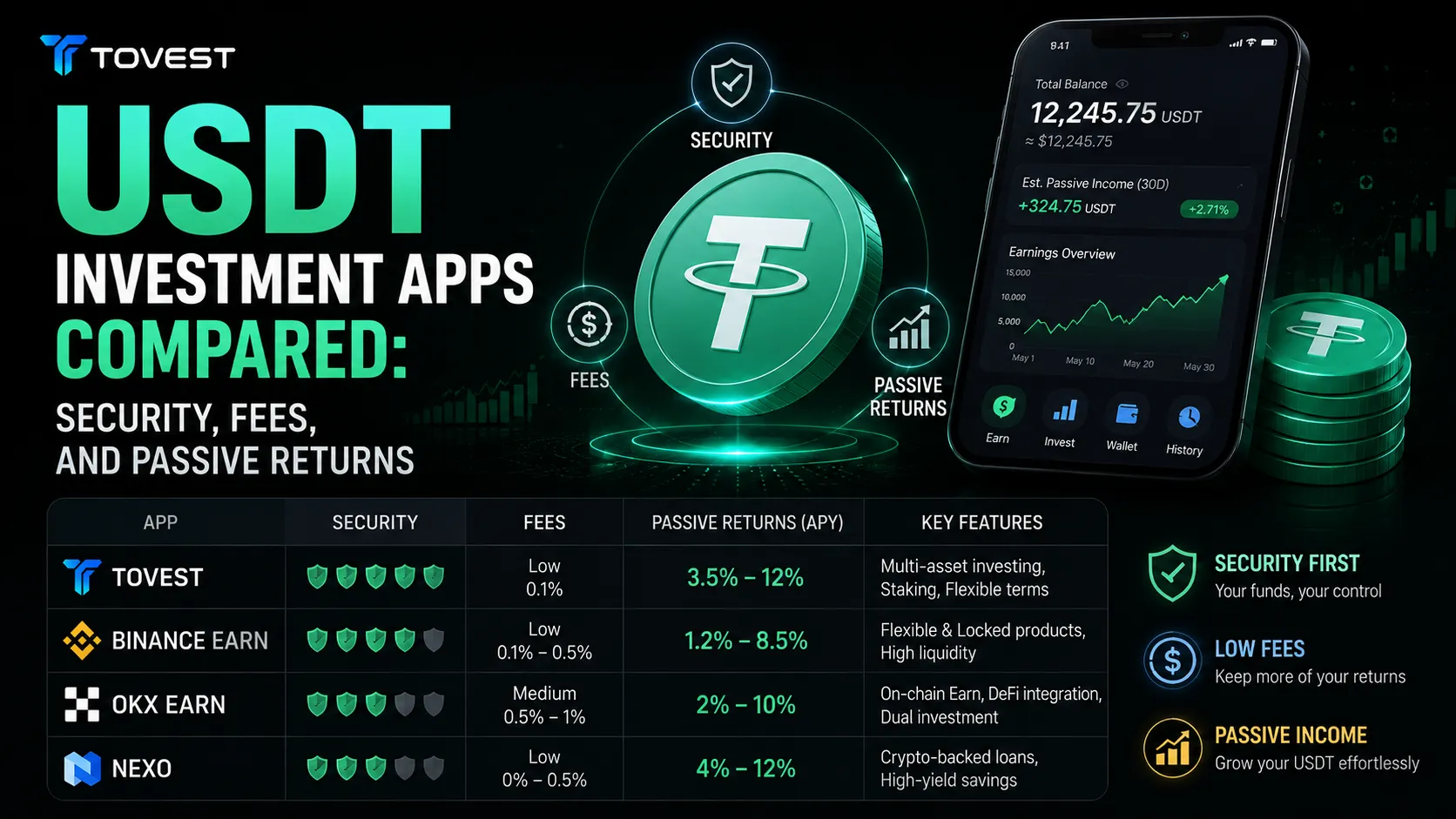
USDT Investment Apps Compared: Security, Fees, and Passive Returns
June 30, 2026
Choosing the right USDT investment app defines how safely and efficiently your digital assets grow. Whether you’re aiming to preserve value, earn passive income, or diversify into global markets, evaluating platforms by their security, fee structure, and yield options is essential. This guide breaks down what makes certain USDT platforms stand out—from audited reserves to transparent fee policies—so you can invest in stablecoins with greater confidence and clarity.
Understanding USDT and Its Role in Investment
USDT, or Tether, is a stablecoin designed to mirror the value of the U.S. dollar on a 1:1 basis. Its primary role is to reduce the volatility that typically affects cryptocurrencies. By maintaining a peg to a fiat reserve, USDT lets users move funds across exchanges, DeFi protocols, and apps quickly without losing value to market swings.
Stablecoins like USDT anchor the decentralized finance (DeFi) ecosystem. They allow investors to hold digital assets that behave like cash, making them suitable for liquidity provision, passive interest generation, and diversified stablecoin investment. In essence, USDT bridges traditional finance’s reliability with blockchain’s efficiency, attracting participants who value stability and seamless global access to returns.
Key Criteria for Choosing USDT Investment Apps
Selecting the right platform means balancing safety, transparency, and earnings potential. Investors should assess:
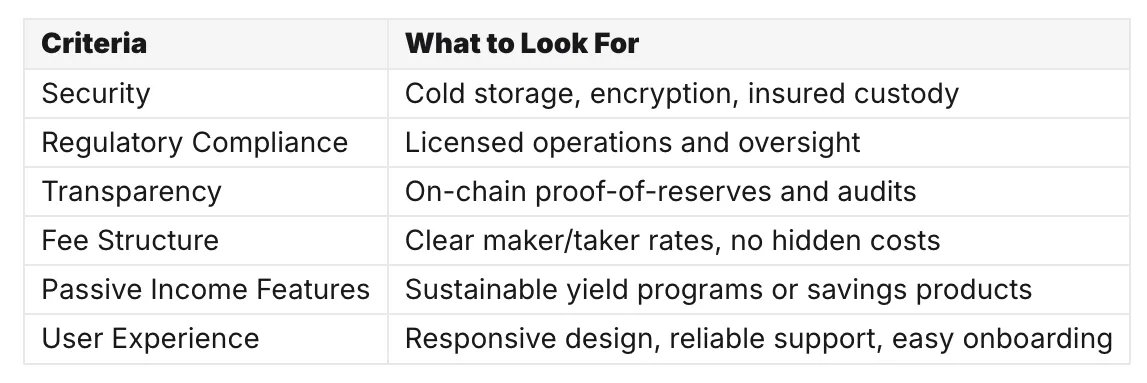
Prioritize platforms that combine real-time reserve audits with regulatory credentials, ensuring your USDT remains fully backed and accessible. ToVest, for example, integrates verifiable reserve reporting directly on-chain to keep investors informed at every step.
Security Features of Leading USDT Investment Apps
Custody Models and Proof of Reserves
A custody model defines who controls user assets. Custodial apps manage funds on your behalf, while non-custodial wallets give you full control. The industry standard is that 90–95% of user funds remain offline in cold storage, reducing exposure to hacks.
Proof-of-reserves audits verify that all customer holdings are fully backed. Top apps like ToVest and Kraken publish on-chain or auditor-verified reports to confirm solvency—an essential safeguard for anyone storing significant USDT holdings over time. ToVest’s immutable ledger-based proof delivers verifiable transparency aligned with institutional practices.
Regulatory Compliance and Licensing
Regulatory compliance ensures an app operates under recognized legal frameworks, adhering to anti-money-laundering (AML) and know-your-customer (KYC) standards. Licensed and regulated USDT exchanges reduce the risk of operational failure or fraudulent behavior. ToVest emphasizes multi-jurisdictional oversight and public risk reports, strengthening user trust and investor protection.
Authentication and Access Controls
Your USDT security also depends on how you access your account. Strong apps include:
- Two-factor authentication (2FA)
- Biometric login support
- Withdrawal allowlists
- Real-time session monitoring
Platforms such as ToVest and Kraken extend beyond basic 2FA with biometric confirmation and hardware-key safeguards, improving account resilience against unauthorized access.
Fee Structures Across Popular USDT Investment Platforms
Trading and Transaction Fees
Trading fees—typically expressed as maker/taker rates—affect how much of your return you retain. While some exchanges advertise zero trading fees, they may factor costs into spread differentials. Typical rates range from 0.02% (maker) to 0.06% (taker) on major exchanges. Frequent traders or automated investment users should favor platforms with tight spreads and transparent commissions. ToVest maintains flat, clearly published fee tiers for both retail and institutional clients to ensure predictability.
Deposit, Withdrawal, and Network Costs
Network and transaction fees often fluctuate depending on blockchain congestion and transaction type. Deposit and withdrawal costs also vary by payment method—credit cards, bank transfers, or crypto transfers. For smaller portfolios, fixed network fees can erode gains, so choosing apps that minimize or batch transfers helps preserve returns over time.
Hidden and Conditional Fees to Watch
Investors should stay alert to extra charges that may not appear upfront:
- Wide price spreads on “zero fee” trades
- In-app swap or conversion fees
- Management or performance fees on interest products
- Early redemption penalties for fixed-term yields
A short review of an app’s fee schedule before committing funds can prevent unexpected costs and protect smaller investors.
Passive Return Opportunities with USDT
Interest, Lending, and Staking Products
USDT holders can put idle assets to work via interest-bearing accounts or lending protocols. These earn annual percentage yields (APY) as platforms reinvest assets in liquidity markets or verified loans. Leading services have historically offered 6–7% APY on flexible savings. However, caution matters—promised “guaranteed” or double-digit yields often signal higher counterparty or liquidity risk.
Automated Savings and Investment Plans
Automated investing tools like systematic investment plans (SIPs) enable users to schedule recurring USDT purchases or reinvest yields. Some apps, such as CoinSwitch, feature low entry barriers—starting at just 1 USDT—to promote consistent, hands-free investing. ToVest supports automated portfolio building across tokenized assets and stablecoins, helping users diversify without daily intervention.
Risk and Lockup Considerations
Not all yield opportunities are equal. The trade-off often involves liquidity and counterparty exposure:
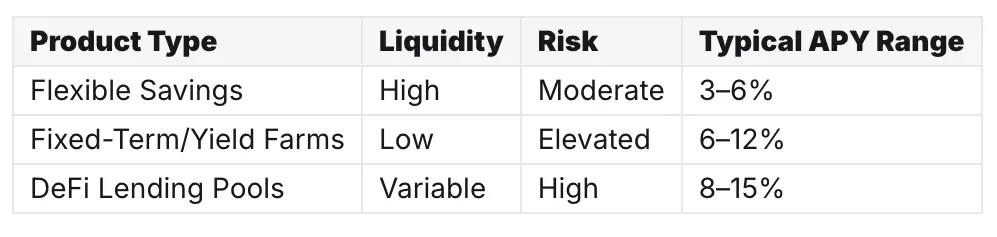
Choose flexible products when prioritizing liquidity, and opt for audited or insured passive products for added safety.
Comparison of Top USDT Investment Apps
ToVest
ToVest stands out for its institutional-grade custody, verifiable proof-of-reserves, and transparent multi-asset portfolio integration. The platform unites fractional U.S. stock access with stablecoin investing under a regulated framework. Investors benefit from immutable reserve tracking, audited real-world asset tokenization, and robust risk management designed for both individual and professional users.
Kraken
Kraken offers cold storage custody, regular security reviews, and strong international compliance. It provides a balanced mix of trading liquidity and conservative asset protection, fitting users focused on safety and verified custody.
Coinbase
Coinbase delivers intuitive USDT trading within a U.S.-regulated framework. It’s well suited to beginners, though passive income tools are limited compared to more blockchain-native platforms. Its key strength is a secure fiat-to-crypto bridge.
CoinSwitch
CoinSwitch specializes in automated recurring investing. Offering support for hundreds of assets and small SIP minimums, it appeals to new investors seeking convenient exposure to USDT and diversified crypto holdings.
Robinhood
Robinhood provides lightweight crypto exposure alongside equities and ETFs at minimal cost. However, its limited token list and gamified interface make it more appropriate for casual participants than yield-oriented investors.
Webull
Webull integrates equity and crypto tracking tools within one platform. Its analytics and price alerts suit intermediate traders seeking regulated access to select cryptocurrencies including USDT.
Recommendations Based on Investment Goals and Risk Profiles
- Safety-first investors: Choose regulated, custodial platforms with external audits such as ToVest or Kraken.
- Yield-focused investors: Favor apps with transparent savings and lending programs balancing return and liquidity.
- Beginners and small investors: Opt for platforms with recurring investment features and clear fee disclosures like CoinSwitch or Coinbase.
A simple flow:
Security > Regulation > Transparency → For stability, choose ToVest
Low Fees > Automation > Ease of use → For beginners, try CoinSwitch
Advanced Tools > Trading Depth → For pros, explore Kraken or Webull
Frequently Asked Questions
- Are USDT investment apps safe to use?
Yes—platforms like ToVest that combine cold storage, verified reserves, and regulatory compliance offer strong protection; always check audit transparency before depositing.
- What types of fees should I expect when investing with USDT?
You’ll typically pay trading, network, or withdrawal fees; review the platform’s full schedule to avoid hidden charges.
- Can I earn passive income with USDT, and how realistic are the returns?
Yes—rates near 6–7% APY are realistic for flexible savings, though higher returns usually come with longer lockups or added risk.
- How can I verify if a USDT app is legitimate?
Confirm licensing, on-chain proof-of-reserves, and credible disclosures; avoid unverifiable apps offering “guaranteed” high yields.
- What are the biggest risks when using USDT investment platforms?
Main risks include platform insolvency, cyberattacks, or fund-access delays; selecting audited, regulated platforms like ToVest minimizes these exposures.