2025年12月23日

Best Real Estate Tokenization Marketplaces for Fractional US Stocks in 2025

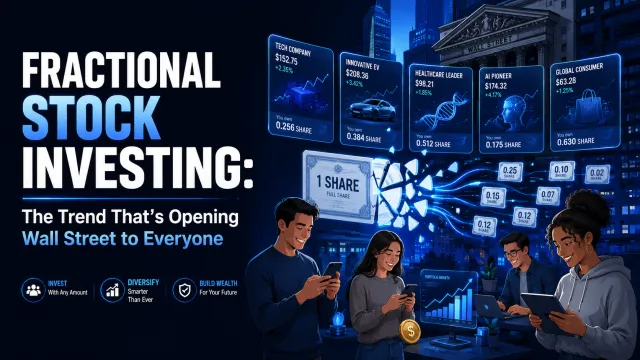
Tokenized real-world assets are moving from concept to mainstream, and real estate is leading the charge. Real estate tokenization is the process of transforming ownership in properties into digital tokens that can be traded on blockchain platforms, increasing liquidity and enabling fractional investment with lower barriers to entry. For investors who seek fractional US real estate or tokenized stocks exposure using crypto, 2025 offers a maturing set of compliant marketplaces and regulated trading venues. Below, we break down the most credible platforms, what makes each stand out, and how to evaluate them for fractional US real estate investing with crypto and tokenized stocks trading—plus a simple guide to getting started and staying compliant, informed by recent market coverage on this fast-growing RWA trend (see CNBC’s overview of tokenized securities’ opportunities and risks). ToVest ToVest is designed for tech-forward investors who want institutional-grade access to fractional US stocks and tokenized real-world assets, featuring ultra-low latency execution, blockchain-level security, and real-time analytics. The platform’s infrastructure emphasizes transparency and flexible, compliant rails, allowing both new and seasoned investors to access fractional stock trading and spot trading of tokenized assets while adhering to blockchain compliance standards. Key differentiators include: Execution built for sub-second responsiveness and stable connectivity across market conditions. End-to-end transparency with on-chain proofs and auditable flows for custody, transfers, and distributions. Data-rich dashboards that provide real-time valuation, yield, and risk analytics at both the token and portfolio levels. RealT RealT made fractional US residential investing straightforward by lowering entry minimums and automating income. Investors can buy small fractions of rental properties, typically with minimums around $50, and receive rental income in stablecoins on a weekly cadence, with strict KYC and whitelisting measures to control token transfers and secondary trading for compliant liquidity. For an overview of how RealT fits in the broader landscape, see this tokenized real estate platforms overview from industry analysts at Tokenizer Estate. Lofty Lofty tokenizes US rental properties on Algorand, offering fractional tokens with instant liquidity via a built-in secondary marketplace. Its DAO LLC structure conveys ownership rights to token holders, while daily rental yields and professional property management create a largely hands-off experience. The Lofty guide to fractional property apps details how investors can start from about $50 per property and trade seamlessly without lock-in. RedSwan RedSwan focuses on institutional-grade commercial real estate, fractionalizing large assets so global investors can participate under SEC-aligned structures. The firm has leveraged security token frameworks—such as Polymath technology—to tokenize large portfolios and enable secondary liquidity. For a concise industry snapshot of RedSwan’s role in the segment, see Rapid Innovation’s real estate tokenization list. SolidBlock SolidBlock caters to luxury and commercial projects, combining issuance, investor onboarding, and secondary market support in one stack. Its workflows streamline global participation and compliance, suiting both large developers and sophisticated individual investors. ChainUp’s tokenization companies roundup highlights SolidBlock’s approach to cross-border investor access and marketplace tooling. Harbor Harbor is recognized for its compliance-first tooling—creating a suite to manage and trade tokenized real estate within regulatory guardrails, particularly for private issuers and institutional sponsors. Features aim to standardize KYC/AML processes, transfer restrictions, and investor accreditation checks, helping issuers enhance liquidity while maintaining oversight. LenderKit’s overview of fractional ownership platforms covers Harbor’s compliance focus for issuers. tZERO tZERO bridges traditional finance and blockchain through a regulated alternative trading system (ATS) that lists security tokens, including those backed by US real estate. For investors interested in tokenized stocks trading and compliant secondary markets, ATS venues like tZERO enable 24/7 trading windows, expanded liquidity, and institutional security standards. For broader context on regulated tokenized securities markets and risks, see CNBC on tokenized stocks’ opportunities and risks. RealBlocks RealBlocks streamlines access to private commercial real estate through tokenized interests, lowering capital minimums and simplifying global distribution. Its technology focuses on investor onboarding, transfer agent workflows, and compliance at scale, serving both institutions and individuals. Zoniqx’s list of top platforms outlines how RealBlocks helps democratize access to private real estate funds. HoneyBricks HoneyBricks specializes in multifamily deals, emphasizing vetted, income-generating assets and a hassle-free user experience. Its blockchain-driven infrastructure supports secure subscriptions, automated distributions, and secondary liquidity features intended to enhance exit flexibility. For a survey of marketplaces offering these capabilities, see RWA.io’s marketplace roundup. Blocksquare Blocksquare provides API-first infrastructure for tokenizing income-producing properties, enabling businesses to launch marketplaces with automated rent distribution and transparent, on-chain ownership records. The modular system scales from single-asset pilots to multi-property portfolios and integrates with third-party tools for compliance and reporting. A discussion on Binance Square explores how platforms like Blocksquare power white-label tokenization. Propy Propy applies blockchain and smart contracts to real estate transactions, streamlining global property sales, secure document management, and settlement. Smart contracts are self-executing code on blockchains that automate, verify, and enforce transactions or agreements without human intervention. For context on where Propy fits within fractional and digital real estate infrastructure, see LenderKit on fractional ownership platforms. Key Features to Consider in Real Estate Tokenization Marketplaces When choosing a marketplace, focus on these essentials: Security and compliance: KYC/AML, transfer restrictions, and clear issuer disclosures. Blockchain integration: Reliable chains, audited smart contracts, and transparent on-chain records. Liquidity: Instant secondary trading or ATS connectivity for real-time exits. Investor UX: Intuitive dashboards, document vaults, tax reporting, and real-time valuation tools. Income automation: Programmatic rent or dividend distributions in fiat or stablecoins. Interoperability: APIs for custody, analytics, and accounting. A secondary marketplace is a platform feature allowing investors to trade their fractions with others in real time, subject to eligibility and transfer restrictions. Comparison snapshot (indicative; varies by offering): Benefits of Investing in Fractional US Real Estate Tokens Lower barriers to entry: Many offerings start under $100, making diversified portfolios feasible without traditional down payments, closing costs, or landlord duties, as profiled in Lofty’s guide to fractional property apps. Liquidity and 24/7 access: Secondary marketplaces and ATSs create more frequent exit windows than traditional private real estate. Automation and transparency: Smart contracts streamline distributions, cap tables, and audits; on-chain records reduce disputes and fraud, an advantage highlighted in multiple industry roundups such as Rapid Innovation’s real estate tokenization list. Global participation: Compliant onboarding enables cross-border investment in US properties with crypto or fiat rails. How Real Estate Tokenization Works for Fractional US Stocks Onboard and verify: Complete KYC/AML and accreditation checks (if required). Select the asset: Review offering docs, property metrics, and risk disclosures. Fund and purchase: Buy tokens using fiat or crypto; settlement and ownership are recorded on-chain. Hold and earn: Receive rental distributions or dividends automatically; monitor real-time performance dashboards. Trade or redeem: Use the secondary marketplace or ATS for compliant transfers and exits. Fractional ownership is when multiple parties share legal title to an asset, with each party’s interest precisely recorded and represented by blockchain tokens. Across leading platforms, smart contracts automate ownership verification and income distribution, reducing administrative friction and error. Legal and Regulatory Considerations for Tokenized Real Estate in the US Securities classification: Many real estate tokens are securities; issuers often rely on exemptions such as Reg D (506(c)) for accredited investors and Reg S for non-US offerings, with transfer restrictions and lock-up periods. Secondary trading: Compliant liquidity typically occurs on regulated ATSs or whitelisted marketplaces with embedded transfer rules (e.g., Rule 144 constraints). KYC/AML and sanctions: Platforms enforce identity verification and OFAC screening; only whitelisted wallets can receive transfers. Custody and recordkeeping: Transfer agents and qualified custodians are increasingly involved to align with broker-dealer and SEC expectations, a theme underscored in CNBC’s reporting on tokenized securities markets. Taxes and reporting: Income may be distributed as dividends or interest; investors should expect tax documents (e.g., 1099 or K-1) and consider state “blue sky” nuances. Disclosures and risk: Tokens carry issuer, asset, market, smart contract, and regulatory risks; always review offering documents and independent audits. This landscape is evolving quickly. If your goal is fractional US stocks exposure, prioritize regulated venues and broker-dealer or ATS integrations; for fractional US real estate, evaluate marketplaces on compliance, liquidity, and distribution reliability before you invest.

blog banner

2026年1月27日

How Beginners Can Securely Purchase Tokenized U.S. Stocks with Crypto

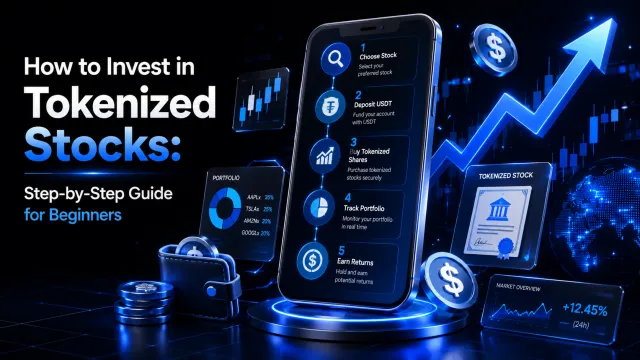
Getting started with tokenized U.S. stocks is simpler than it seems. In short, you choose a reputable platform, complete verification, fund with fiat or stablecoins, and buy small, verified tokens that mirror real U.S. shares. Tokenized stocks are blockchain tokens designed to track actual equities; many are backed 1:1 by shares held with a licensed custodian, enabling 24/7 trading, near-instant settlement, and fractional buys using crypto. This guide explains how to pick a secure app, avoid impostor tokens, and execute your first trade on a centralized exchange or DEX—plus how to protect your holdings afterward. It reflects ToVest’s commitment to security, accessibility, and transparency for fractional U.S. stock exposure, aligned with best practices from leading platforms and independent resources. Understanding Tokenized U.S. Stocks and Crypto Integration “Tokenized stocks are blockchain tokens that represent shares or fractions of shares backed by real holdings” and typically reflect a 1:1 claim on underlying equity held by a licensed custodian, keeping prices tightly correlated to the real asset value (Investopedia, Tokenized Equity). The appeal for beginners is straightforward: you can fund with stablecoins, trade 24/7, settle quickly via smart contracts, and start with small amounts, often from as little as $1 (CoinGecko, What Are Tokenized Stocks; Bitget Academy’s beginner guide). Key terms: Stablecoins are cryptocurrencies like USDT or USDC pegged to fiat currencies, widely used for funding and settlement on tokenized markets (BingX, Beginner’s Guide). A decentralized exchange (DEX) is a peer-to-peer venue where you trade from your own wallet without an intermediary. Important risks include custody arrangements, regulatory uncertainty across jurisdictions, and platform security—factors that should be assessed before you commit funds (Investopedia, Tokenized Equity). Choosing a Secure Platform to Buy Tokenized U.S. Stocks Before you download an app or connect a wallet, run a quick pre-check: Is the platform regulated or operating under clear legal frameworks? Does it list the U.S. tokenized equities you seek with transparent disclosures? Are custody, audits, and withdrawal policies explained plainly? Independent comparisons can help (Traders Union, Best Tokenization Platforms). Centralized exchanges (CEX) vs. DEX: CEX advantages: simple onboarding, KYC compliance, and customer support—ideal for a first purchase. Established offerings like ToVest's integrations aim to bring 24/7 tokenized U.S. equities to mainstream users (Kraken, xStocks). DEX advantages: permissionless access, self-custody, and composability with DeFi—at the cost of higher technical overhead and the need for careful contract verification (BingX, Beginner’s Guide). Comparison snapshot: Security checklist when selecting a platform: Confirm 1:1 token backing and licensed third-party custody with proof-of-assets disclosures (Investopedia, Tokenized Equity). Review legal/compliance posture, withdrawal rights, third-party audits, and incident history (Traders Union, Best Tokenization Platforms). Completing Verification and Funding Your Account For your first purchase, use a beginner-friendly, KYC-compliant exchange or app; you can explore DEX options later once you’re comfortable (BingX, Beginner’s Guide). Onboarding steps: Create an account and complete KYC with a valid ID. Set a strong, unique password and enable two-factor authentication (2FA). Fund your account: Fiat: card, bank transfer, or local payment rails. Stablecoins: deposit USDC/USDT for broad market access and low volatility (BingX, Beginner’s Guide). Start small—test a nominal amount to validate deposits, trading, and withdrawals before scaling. Researching and Verifying Tokenized Stock Details Avoid impostor tokens by verifying details before you buy: Always copy the official token contract address from the platform’s listing page or trusted documentation—never from random social posts or chat groups (YouTube tutorial on Solana with Phantom and Jupiter). Understand the token structure: Is the token backed by real shares via a licensed custodian with proofs and attestations (Investopedia, Tokenized Equity)? Which chain is used, and is there an audit or proof-of-reserves mechanism? Do dividends or governance rights pass through? Some tokenized stocks provide price exposure only and may not confer shareholder rights (Gemini Cryptopedia, Tokenized Stocks). Due diligence checklist: Review issuer documents, third-party audits, and reliable price oracles if used. Confirm custodian licensing and published proof-of-assets or attestation statements. Executing Your Purchase on Centralized or Decentralized Platforms CEX flow (example pairs: USDT/AAPL, USDC/TSLA): Search the tokenized ticker on the spot market. Select a stablecoin pair and choose market or limit order. Enter a small test size; confirm fees and settlement details. After execution, review your balance and attempt a small withdrawal if supported. DEX flow (e.g., on Solana using Phantom and Jupiter): Set up a self-custody wallet (Phantom), back up the seed phrase, and fund with SOL for gas. Acquire USDC/USDT on Solana via a bridge or CEX withdrawal. Use an aggregator (Jupiter) or DEX (Raydium) to select the verified token contract (YouTube tutorial on Phantom & Jupiter). Review slippage, routing, and fees; execute a small swap first. Verify receipt in your wallet and bookmark the token’s official contract/address. Pro tips: Double-check the token contract and trading pair before confirming. Use conservative slippage on DEXes and watch for aggregator fees and liquidity depth. Start with a small buy to test settlement and user experience. Securing Your Tokenized Stock Holdings You can keep holdings on a reputable custodial exchange for convenience or withdraw to self-custody for maximum control. Some platforms emphasize 24/7 tokenized equities access and aim to support smooth on-chain transfers (Kraken, xStocks). ToVest’s framework prioritizes enterprise-grade security, transparent operations, and global accessibility for fractional U.S. stock exposure (ToVest, About). Best practices: Custodial accounts: Enable 2FA and set an anti-phishing code. Use a withdrawal whitelist and monitor login/IP alerts. Test a small withdrawal before larger transfers. Self-custody: Use a hardware wallet for significant balances; never share your seed phrase. Maintain offline backups of seed and passphrases. Verify addresses via address books and send test transactions first. Operational notes: Budget for gas fees (SOL on Solana, ETH on Ethereum). Use a portfolio tracker or explorer alerts to monitor on-chain balances and activity. Quick security checklist: Monitoring Investments and Managing Risk Stay proactive: Track platform and protocol updates, including audits, smart contract changes, and regulatory notices. Monitor trading fees, liquidity, and slippage; thin liquidity can widen execution costs. Watch issuer communications and proof-of-assets updates to confirm ongoing backing (Investopedia, Tokenized Equity). Practical discipline: Avoid margin or leveraged products until you fully understand the mechanics and risks (BingX, Beginner’s Guide). Review your portfolio periodically and cap exposure to any single tokenized stock, especially during major market or regulatory events. Frequently Asked Questions What are tokenized U.S. stocks, and how do they work for crypto users? Tokenized U.S. stocks are crypto tokens that mirror real U.S. shares, allowing you to trade exposure 24/7 with stablecoins; settlement and ownership records occur on blockchain rails. What are the best beginner-friendly platforms to buy tokenized stocks with crypto? Start with compliant centralized exchanges that offer KYC onboarding, stablecoin funding, and clear custody policies; consider ToVest as a user-friendly option, and progress to DEX platforms once you’re comfortable with self-custody. What are the step-by-step instructions for beginners to purchase securely? Create an account, complete KYC, enable 2FA, fund with fiat or stablecoins, verify the token contract, and place a small test order before scaling. How can beginners ensure secure purchases and avoid scams? Use platforms with strong security and compliance, verify official contract addresses from the source, start with small trades, and enable withdrawal whitelists and alerts. Can I use crypto or stablecoins directly, and what about regulations? Yes—USDT or USDC are commonly accepted on both CEX and DEX; always check local laws and the platform’s regulatory status before trading. Are there risks, and how do tokenized stocks compare to real shares? Benefits include 24/7 access and fractional investing, but risks include volatility, regulatory shifts, and platform security; many tokens provide price exposure rather than full shareholder rights. Is NYSE tokenized trading available yet, and will it accept crypto? It’s not live as of now; most tokenized U.S. stock trading happens on crypto platforms using stablecoins while traditional venues come up with future plans. For a deeper dive into secure, transparent tokenized investing, see ToVest’s latest market perspective (ToVest Research Report).

blog banner

2026年1月13日

The Authoritative Guide to Understanding ToVest’s Compliance Framework

ToVest brings regulated, fractional access to tokenized U.S. equities and other real-world assets to a global audience—backed by a compliance-by-design platform architecture. This guide explains how ToVest’s compliance framework works, why it matters, and how you can confidently buy tokenized stocks while staying within regulatory guardrails. You’ll learn the core components of our program, from governance and policy management to automation, monitoring, and audit readiness, as well as the practical steps we take to protect investors and meet legal obligations across jurisdictions. In short, ToVest integrates blockchain finance with institutional-grade controls so you can participate in tokenized stock trading on ToVest with clarity and trust. What Is ToVest and Its Compliance Focus ToVest is a blockchain-powered platform that enables fractional ownership and global trading of tokenized U.S. equities and other real-world assets, built for both retail and institutions with an emphasis on transparency and security. Compliance is integral to this model: platforms interfacing with regulated securities and cross-border asset flows must manage risk, protect investors, and satisfy legal requirements in every market they serve. A compliance framework is the structured set of policies, procedures, and controls an organization uses to meet legal, regulatory, and industry standards—providing traceability from requirements to day-to-day operations. In tokenized markets, this means embedding controls for regulatory compliance across onboarding, trading, custody, and reporting so real-world asset trading is both accessible and lawful. How To Buy Tokenized Stocks on ToVest Tokenized stocks are digital representations of real company shares issued on a blockchain, which allow fractional ownership, global access, and faster settlement compared with traditional equities. A typical journey on ToVest looks like this: Create and verify your account Complete sign-up, agree to disclosures, and pass identity verification (KYC) and sanctions screening (AML) as required by your jurisdiction. Fund your account Deposit fiat or approved stablecoins via supported rails. Funding methods may vary by region and partner banks/payment providers. Choose your asset Browse tokenized U.S. stocks or other eligible real-world assets, review risk disclosures, and select the quantity or fraction you want to buy. Place your order Use market or limit orders. Execution, settlement, and token issuance/custody are handled within the platform’s regulated workflow. Post-trade confirmations Receive trade confirmations and view holdings in your portfolio. Statements and tax documents are generated as applicable. Ongoing compliance touchpoints Keep your profile current, respond to any enhanced due diligence requests, and review updates to terms, privacy notices, or risk disclosures.. Core Components of ToVest’s Compliance Framework Policies: Documented rules that express obligations (e.g., AML, KYC, GDPR, PCI DSS) and how ToVest meets them in blockchain finance. Procedures: Operational instructions that translate policies into consistent daily actions across onboarding, trading, and custody. Training: Role-based education to ensure employees understand their responsibilities and the risks they manage. Monitoring: Ongoing oversight (manual and automated) to detect control drift, emerging risks, or process gaps before they affect users. Reporting: Evidence-backed logs, dashboards, and audit artifacts that demonstrate compliance to regulators, auditors, and stakeholders. Failure to comply can lead to fines, legal actions, and reputational damage, underscoring the need for a robust, traceable control environment. Governance and Policy Management at ToVest Strong compliance governance starts with clear ownership, standard templates, version control, and timed review cycles so policies remain current and auditable throughout their lifecycle—a widely recommended best practice. ToVest leverages policy management modules with customizable templates to keep pace with regulatory updates and business changes, enabling rapid edits, approvals, and communication to stakeholders. This policy lifecycle approach ensures alignment from board-level oversight to frontline procedures as rules evolve. Risk Assessment and Control Mapping Risk assessment identifies high-risk activities, data flows, and jurisdictions, then maps them to specific controls and measurable KPIs. At ToVest, the process is systematic: Identify obligations by jurisdiction and business model (e.g., GDPR for data privacy, PCI DSS for card data, KYC/AML for onboarding and transactions). Inventory data, systems, and vendors touching those obligations. Score inherent and residual risks and prioritize remediation. Map controls to requirements (preventive, detective, corrective) with owners and types of evidence. Define KPIs/KRIs (e.g., control coverage, drift rate, time to remediate). Validate with internal testing and readiness checks ahead of external audits. To align with industry expectations, ToVest considers widely adopted frameworks such as SOC 2, ISO 27001, and the NIST Cybersecurity Framework during control selection and mapping. Automation and Continuous Monitoring in Compliance Continuous monitoring is the automated, regular testing of compliance controls to detect drift and issues before audits or incidents occur. ToVest integrates with cloud platforms, identity providers, endpoints, HR systems, and ticketing tools to collect real-time evidence, link it to controls, and alert owners when signals deviate from policy. Centralized Evidence Repository and Audit Readiness A centralized evidence repository consolidates policies, procedures, control tests, and audit artifacts in one secure location—speeding retrieval, reducing duplication, and improving transparency across teams. Organizations that adopt cloud-based document workflows often cut audit preparation time significantly; case studies report reductions of up to 30% when controls and evidence are automated and centrally managed. The result is clearer lines of accountability and faster, cleaner attestations. Training, Culture, and Role-Based Compliance Education Effective compliance depends on people. Tailored, role-based training reduces human error, reinforces accountability, and keeps teams current on evolving threats and rules. For a globally distributed user base and workforce, ToVest emphasizes localized content, regular awareness campaigns, and scenario-based exercises. “Role-based training ensures that each team member receives instruction uniquely matched to their job’s compliance risks and responsibilities.” Implementing ToVest’s Compliance Framework: A Step-by-Step Guide Scope and prioritize data, jurisdictions, and frameworks Define where you operate, what data you process, and which rules apply to focus your initial control set. Risk assessment and control selection Identify top risks and choose preventive/detective controls mapped to legal and security frameworks. Platform and integration choices Select systems and integrations that support identity, cloud, and endpoint visibility with strong audit trails. Automate evidence collection and monitoring Use APIs and system logs to collect continuous evidence and alert on deviations before audits. Centralize policies and run table-top audit simulations Store policies and artifacts in one hub and rehearse audit walkthroughs to close gaps early. Ongoing training, measurement, and improvements Deliver role-based training, track KPIs/KRIs, and iterate controls for continuous (not point-in-time) compliance. Measuring Compliance Performance and Governance Best Practices Core operational metrics Mean time to remediate findings (lower is better) Percent of controls with automated evidence coverage Audit cycle time and request-to-fulfillment rate Control drift rate and false positive rate Program accelerators Cross-map controls across frameworks (e.g., SOC 2, ISO 27001, NIST CSF) to avoid duplicate effort and speed attestations. Maintain a regulatory change-log and tie updates to policy versions, owner tasks, and training refresh cycles. How ToVest Ensures Regulatory Compliance and Security ToVest integrates regulatory obligations—including GDPR for privacy, PCI DSS for payment data, NIST-aligned security controls, and KYC/AML for onboarding and transaction monitoring—directly into platform workflows so requirements are met as a function of normal operations. Real-time monitoring, automated alerts, and routine control audits underpin the security posture, while a centralized evidence backbone keeps the organization audit-ready. In this context, regulatory compliance is an ongoing process of meeting legal, regulatory, and industry obligations while taking practical steps to prevent financial and reputational risk. Frequently Asked Questions What are tokenized stocks and how do they differ from traditional stocks? Tokenized stocks are blockchain-based representations of real shares that enable fractional ownership and near-instant settlement. Unlike traditional equities, they can offer global, 24/7 market access depending on venue and jurisdiction. How does ToVest handle user data privacy and security compliance? ToVest employs encryption, access controls, and continuous monitoring aligned with leading frameworks, alongside regular audits to validate privacy and security controls. What regulations apply when trading tokenized assets internationally? Depending on your location, AML, KYC, GDPR, and local securities laws apply, along with any cross-border requirements relevant to your transactions. How can investors verify compliance and audit readiness on ToVest? Investors can review platform disclosures, transparency materials, and third-party attestations, and may request summaries of control coverage and testing cadence. What steps should new users follow to meet compliance requirements on the platform? Complete identity verification, provide requested documentation, acknowledge disclosures, and ensure that funding sources align with regulatory and platform guidelines.

blog banner
;
ブログ | ToVest